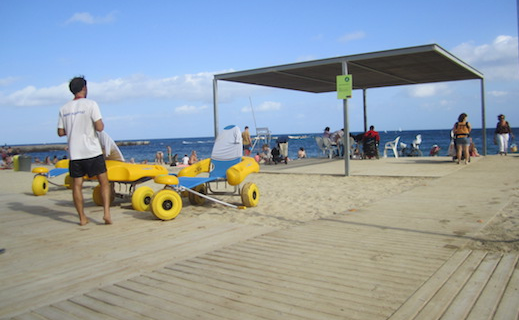


How to Choose a Wheelchair Accessible Destination in Europe?
Created: June, 2019
Updated: April, 2026

Top 8 Wheelchair Accessible Destinations in Europe
Traveling Europe in a wheelchair can feel overwhelming. Not every destination is equally accessible, and finding reliable information takes time. Differences in public transport, terrain, accommodation, and local accessibility standards can significantly impact your experience.
To make your planning easier, we’ve selected 8 of the best wheelchair accessible destinations in Europe. Each location stands out for its accessibility, infrastructure, and overall travel experience. From cities with reliable public transport and step-free access to destinations with smoother terrain and well-adapted accommodations, this list helps you make a more informed choice.
Whether you’re looking for a vibrant city, cultural highlights, or nature, these destinations offer a solid starting point for a stress-free trip.
To make your journey even smoother, we also developed accessaloo, a user-generated app that helps you find, add and share accessible toilets worldwide. You can download accessaloo in the App Store or get it on Google Play and see how it can support you during your travels.
1. Barcelona, Spain: A Leading Wheelchair Accessible City in Europe
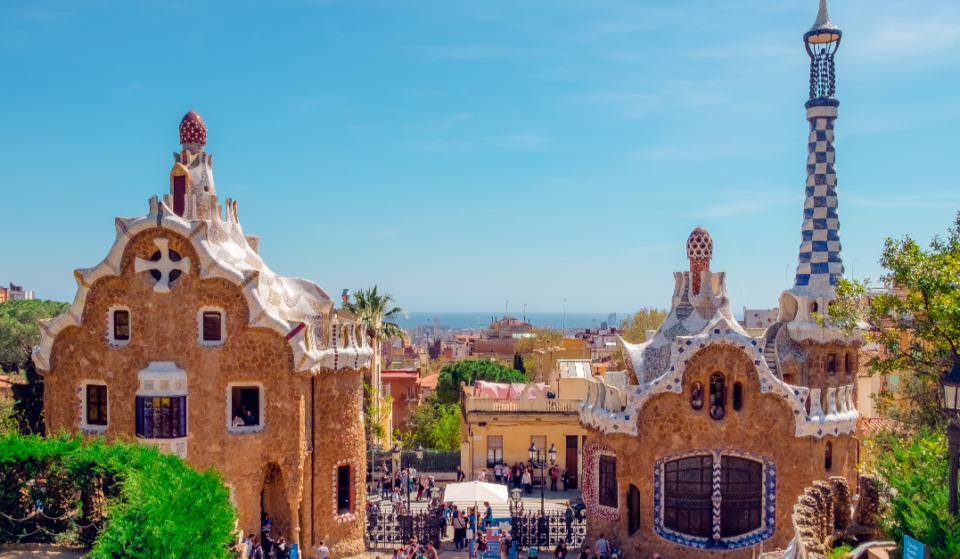
Barcelona is widely regarded as one of the most wheelchair accessible cities in Europe. The city has invested heavily in step-free infrastructure, making it a reliable destination for accessible travel.
Accessible Highlights of Barcelona
Barcelona stands out for its accessible urban layout, adapted attractions, and strong infrastructure. Pavements are generally wide and smooth, and many major sights are step-free or well-equipped for wheelchair users.
Some of the most popular accessible highlights include the Sagrada Família, La Pedrera (Casa Milà), and Poble Espanyol. For outdoor spaces, Parc de la Ciutadella and the Montjuïc area offer accessible routes with great views.
You’ll also find several accessible beaches, some offering amphibious chairs and assistance during summer. Read more in our guide to accessible beaches in Barcelona.
Best Areas to Stay
Central districts like Eixample are ideal due to their flat layout, wide streets, and proximity to major attractions. Staying in well-connected areas makes it easier to move around without long or complex transfers.
Transport & Mobility
Barcelona’s public transport system is largely accessible. Most metro stations have elevators, and buses are fully adapted with ramps and designated spaces.
Wheelchair accessible taxis are also available throughout the city, but it’s best to plan ahead or book in advance via services like wheelchair accessible taxis in Barcelona.
For a more structured experience, you can explore the city through this accessible city tour, which covers key highlights with transport included.
Things to Watch Out For
While Barcelona is highly accessible overall, not all metro stations are step-free, and elevators may occasionally be out of service. In older neighborhoods, you may encounter cobblestones or narrower streets.
Some attractions may require advance booking or have specific access routes, so it’s always worth checking details beforehand.
Quick tips for your trip
♿ Mostly step-free public transport
🏖️ Accessible beaches with seasonal support
🚕 Wheelchair taxis available (pre-book recommended)
🏙️ Flat, easy-to-navigate city layout
What to do in Barcelona as a wheelchair or scooter user?
Looking for inspiration? Explore our curated guides:
2. Tromsø, Norway: A Wheelchair Accessible Arctic Destination

Tromsø is one of the best wheelchair accessible destinations in Europe to experience the northern lights. Located above the Arctic Circle, this vibrant city combines dramatic fjords and mountains with modern infrastructure that supports both wheelchair and scooter users.
From late September to early April, and especially in February and March, conditions are ideal for spotting the aurora. Beyond the northern lights, Tromsø offers a mix of culture and nature, from Sami heritage to iconic landmarks like the Arctic Cathedral. For a complete overview of accessibility in the region, visit accessible Tromsø and Kvaløya.
Accessibility Highlights
Tromsø is compact, modern, and relatively easy to navigate for wheelchair users. Many public buildings, hotels, and restaurants are step-free or adapted according to Norwegian accessibility standards. Key attractions, including museums and cultural sites, generally offer accessible entrances and facilities.
Sidewalks in the city center are wide and well-maintained, with curb cuts at most crossings. Accessibility is strongest in central areas, where most tourist attractions are located within short distances.
Best Areas to Stay
The city center is the best base for wheelchair accessible travel in Tromsø. Staying near the harbor or main streets allows wheelchair and scooter users to reach restaurants, shops, and attractions without relying heavily on transport.
Central accommodation also makes it easier to join organized excursions, including accessible guided experiences such as this wheelchair accessible Tromsø city tour.
Transport & Mobility
Public transport in Tromsø includes low-floor buses equipped with ramps, making them usable for many wheelchair users. However, compared to larger European cities, frequency is lower and routes require more planning, especially in winter.
For northern lights experiences and excursions, accessibility varies. It is recommended to book adapted experiences in advance, such as a wheelchair accessible northern lights tour, which is designed to accommodate mobility needs.
If you are combining Tromsø with a broader itinerary, traveling through Norway by sea can also be a practical and accessible option. Read more in this guide to exploring Norway by cruise.
Things to Watch Out For
Winter conditions are the main challenge for wheelchair accessible travel in Tromsø. Snow and ice can make surfaces slippery, even in well-maintained areas. While the city clears main routes, accessibility can change depending on weather conditions.
Outside the city center, terrain becomes more natural and uneven, which may not be suitable for all wheelchair or scooter users. In addition, not all tours are adapted, so checking accessibility details in advance is essential when planning your trip.
Quick tips for your trip
♿ Compact and accessible city center
❄️ Winter conditions can impact mobility
🚌 Accessible buses, but limited frequency
🌌 Best northern lights months: February and March
3. Rome, Italy: A Wheelchair Accessible Historic Destination

Rome is one of Europe’s most iconic cities, offering an unmatched mix of history, culture, and food. While the Eternal City is known for its ancient architecture, it has also made important progress in becoming more wheelchair accessible, especially across its main attractions and tourist routes.
From exploring accessible Rome to visiting world-famous landmarks like the Colosseum and Vatican City, there is no shortage of experiences. Beyond the city, accessible excursions to Italian wineries and historic sites add even more depth to your trip.
Accessibility Highlights
Rome offers wheelchair accessible routes to many of its most important landmarks. The Colosseum provides step-free access via elevators, and parts of the Roman Forum and Palatine Hill can be explored using adapted routes, as outlined in this guide to accessible routes through the Roman Forum and Palatine Hill.
The Vatican Museums and St. Peter’s Basilica are also accessible, with elevators and dedicated entry points. For a structured and comfortable experience, you can explore the highlights through this wheelchair accessible city center tour of Rome.
Best Areas to Stay
For wheelchair and scooter users, central areas such as the historic center near Piazza Navona, the Pantheon, or areas closer to the Vatican are convenient bases. These locations allow you to reach major attractions with shorter distances.
That said, some historic streets include cobblestones, so choosing accommodation on smoother, well-maintained streets or near main roads can make a significant difference in daily mobility.
Transport & Mobility
Public transport in Rome is partially wheelchair accessible. Buses are generally equipped with ramps, but availability and functionality can vary. The metro system has limited accessibility, with only some stations offering elevators.
Because of this, many wheelchair users rely on taxis or pre-arranged transport. Guided tours with transport included can simplify logistics and reduce the need for complex route planning.
For day trips, several nearby historical sites have improved accessibility in recent years. You can explore places like Ancient Ostia, Pompeii, and Herculaneum, which offer adapted routes for wheelchair users. Another option is visiting Villa Adriana in Tivoli, where accessibility has also been improved.
Things to Watch Out For
Rome’s historic character comes with challenges. Cobblestones, uneven surfaces, and small elevation changes are common, especially in older neighborhoods. Even when attractions are accessible, routes between them may require extra planning.
Public transport accessibility is inconsistent, and elevators in metro stations are not always available. Booking tickets in advance and confirming accessibility details for each attraction is strongly recommended.
Quick tips for your trip
♿ Major attractions offer accessible routes
🪨 Cobblestones can impact mobility
🚌 Public transport is only partially accessible
🏛️ Plan routes between sights in advance
4. Cork, Ireland: A Wheelchair Accessible Destination with Character

Cork may not always be the first destination that comes to mind, but it stands out as a rewarding wheelchair accessible city in Ireland. Known for its welcoming atmosphere and strong cultural identity, Cork combines historic architecture with easy access to some of the country’s most scenic landscapes.
From exploring the city itself to discovering the surrounding countryside, accessible Cork offers a balanced mix of culture, food, and nature. Highlights include visits to Blarney Castle and experiences like a custom accessible tour in Cork or a wheelchair accessible whiskey tasting tour.
Accessibility Highlights
Cork city center is relatively compact, which makes it manageable for wheelchair and scooter users. Many shops, restaurants, and public spaces offer step-free access or minimal barriers. Key attractions in and around Cork have increasingly adapted their facilities to accommodate wheelchair users, particularly through organized tours.
Experiences such as the Cobh and Blarney Castle accessible tour allow visitors to explore historic landmarks with adapted transport and routes. Beyond the city, accessible excursions to coastal towns like Kinsale are also available through options such as this wheelchair accessible Kinsale tour.
Best Areas to Stay
Staying in Cork city center is the most practical option for wheelchair accessible travel. This area provides the best access to restaurants, shops, and transport connections. Locations near the main streets and river crossings tend to have better pavement quality and accessibility.
Choosing central accommodation also makes it easier to join organized tours, reducing the need for complex travel arrangements across the region.
Transport & Mobility
Public buses in Cork include low-floor vehicles with ramp access, supporting many wheelchair users. However, coverage and frequency can vary, especially outside the city center, so planning ahead is recommended.
For exploring the wider region, guided tours with adapted transport are often the most reliable option. These include scenic experiences such as a wheelchair accessible tour in Kenmare and County Kerry, which allows you to experience Ireland’s landscapes without accessibility concerns.
Things to Watch Out For
Cork’s historic character means that some streets can be uneven or slightly sloped, which may require extra effort for wheelchair and scooter users. Older buildings may also have limited accessibility unless they have been specifically adapted.
Weather can also play a role, as rain is frequent and may affect comfort and mobility. While the city is manageable overall, accessibility outside the center becomes more dependent on transport and tour availability.
Quick tips for your trip
♿ Compact city with many accessible routes in the center
⛰️ Some streets are sloped and uneven
🚌 Public transport is accessible but requires planning
🌧️ Weather can impact comfort and mobility
5. Katakolon, Greece: A Wheelchair Accessible Gateway to Olympia
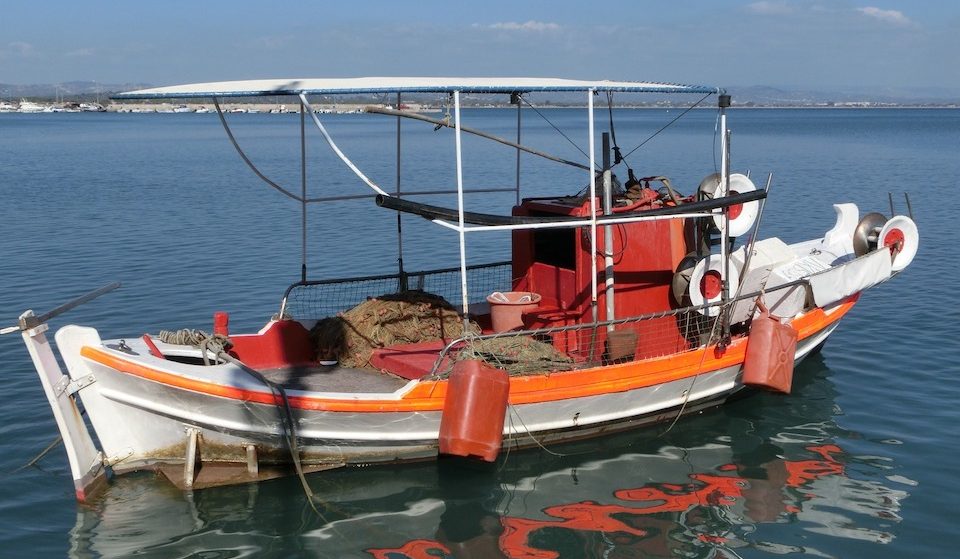
Katakolon is a small coastal village in western Greece and an important cruise port that serves as the main gateway to ancient Olympia. While compact, it offers a relaxed and accessible base for wheelchair and scooter users looking to explore one of Greece’s most historic regions.
From the harbor, visitors can easily access local shops, cafés, and scenic viewpoints. Most travelers come here to visit Olympia, the birthplace of the Olympic Games. For a broader overview of what to expect in the country, visit accessibility in Greece.
Accessibility Highlights
Katakolon itself is relatively easy to navigate for wheelchair users, especially around the port area where streets are flatter and facilities are adapted for cruise tourism. The main highlight, Olympia, has made improvements in accessibility in recent years, with designated paths and routes allowing wheelchair users to explore key parts of the archaeological site.
You can read more about the site in this guide to wheelchair accessible Olympia. For a more structured and comfortable experience, many visitors opt for a wheelchair accessible full-day Olympia tour, which includes adapted transport and guidance.
Best Areas to Stay
Most visitors stay close to the port area, where accessibility is strongest and distances are short. This makes it easier for wheelchair and scooter users to move independently between restaurants, shops, and meeting points for excursions.
Katakolon is often visited as part of a cruise itinerary, which can be a practical option for accessible travel in Greece. If you are planning to explore more destinations, consider combining your visit with accessible islands such as Mykonos or guided experiences like this wheelchair accessible Rhodes island tour.
Transport & Mobility
Public transport options in Katakolon are limited, especially for wheelchair users. Most accessible travel to Olympia and surrounding areas is done via pre-arranged tours or private transport.
Organized excursions are the most reliable way to explore the region, as they provide adapted vehicles and planned routes that take accessibility into account. This is particularly important for reaching archaeological sites and rural areas.
Things to Watch Out For
While the port area is relatively accessible, terrain can become uneven outside the main streets. Paths in Olympia include gravel and compacted surfaces, which may require assistance depending on mobility needs.
High temperatures during summer can also affect comfort and accessibility, especially at outdoor archaeological sites with limited shade. Planning your visit early in the day and checking accessibility details in advance is recommended.
Quick tips for your trip
♿ Accessible port area and adapted tours available
🏛️ Olympia offers designated accessible routes
🚐 Transport mainly via pre-booked accessible tours
🌞 Heat and uneven terrain can impact mobility
6. Ponta Delgada, Portugal: A Wheelchair Accessible Nature Destination

Ponta Delgada, located on São Miguel island in the Azores, is a unique destination for wheelchair accessible travel surrounded by nature. Situated far out in the Atlantic Ocean, the island offers a peaceful environment with volcanic landscapes, crater lakes, lush vegetation, and geothermal hot springs.
For a complete overview of what to expect, visit accessible Ponta Delgada. The island is especially attractive for wheelchair and scooter users looking for scenic experiences, as several viewpoints and natural highlights have been adapted in recent years.
Accessibility Highlights
São Miguel offers a surprising number of accessible viewpoints and natural attractions. Locations such as Sete Cidades and Lagoa do Fogo can be reached via adapted routes and parking areas, making it possible for wheelchair users to enjoy some of the island’s most iconic landscapes.
Guided experiences play an important role in accessibility here. Tours like the wheelchair accessible Sete Cidades tour and the accessible Lagoa do Fogo tour allow visitors to explore remote areas comfortably.
Best Areas to Stay
Ponta Delgada city is the best base for wheelchair accessible travel on the island. It offers the widest range of accommodation, restaurants, and services, along with relatively flat streets in the central areas.
Staying in or near the city center makes it easier for wheelchair and scooter users to access tour pick-up points and daily amenities without long transfers.
Transport & Mobility
Public transport on São Miguel is limited and not consistently wheelchair accessible. As a result, most wheelchair users rely on guided tours or private transport to explore the island.
Organized excursions are the most practical and reliable option. These include experiences such as a wheelchair accessible east side tour and a wheelchair accessible west side tour, both designed to accommodate mobility needs.
Things to Watch Out For
While many viewpoints are accessible, the island’s natural terrain can be uneven, with slopes, gravel paths, and limited infrastructure outside key tourist locations. Accessibility is therefore highly dependent on transport and route planning.
Weather conditions can also change quickly in the Azores, which may affect visibility and comfort. Planning excursions in advance and confirming accessibility details is recommended to make the most of your visit.
Quick tips for your trip
♿ Accessible viewpoints across the island
🌋 Natural terrain can be uneven or sloped
🚐 Transport mainly via guided accessible tours
🌦️ Weather can change quickly
7. Cartagena, Spain: A Wheelchair Accessible Historic Port City
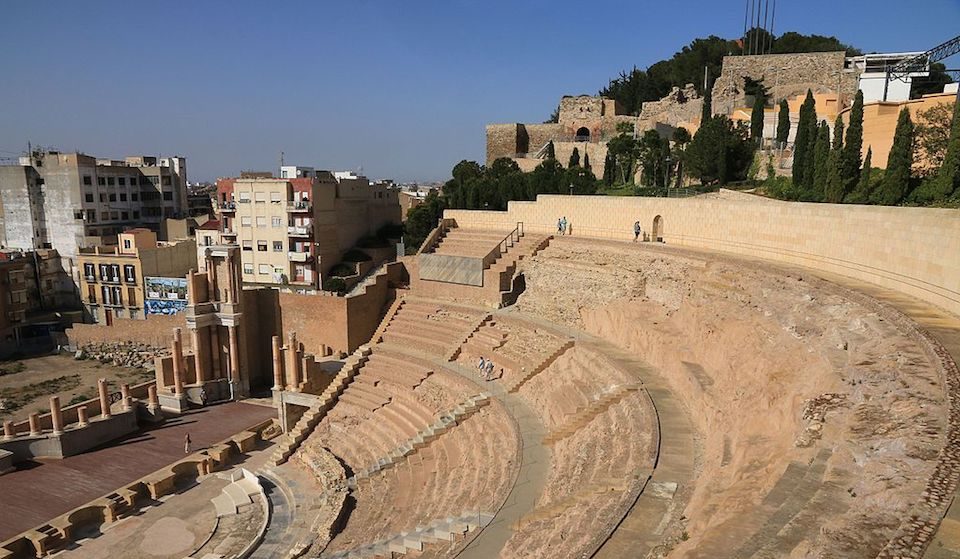
Cartagena is one of the most interesting wheelchair accessible destinations in southeast Spain. Located on the Mediterranean coast, the city combines more than 3,000 years of history with a compact urban layout that works well for many wheelchair and scooter users.
For a full overview, visit accessible Cartagena and Murcia. Many travelers come here to explore Roman remains, maritime history, and panoramic coastal views, often combining Cartagena with nearby Murcia.
Wheelchair Accessible Highlights
Cartagena stands out for its Roman and naval heritage, with several attractions that can be visited through adapted routes and guided experiences. One of the main highlights is the Roman Theatre of Cartagena, where accessibility improvements include adapted toilets, a lift, escalators, and wheelchair-friendly viewpoints through the museum and archaeological complex.
The city is also featured among the wheelchair accessible cultural highlights of Spain, which reflects its growing focus on accessible heritage tourism.
Best Areas to Stay for Wheelchair and Scooter Users
The best area to stay is close to the port and historic center, where many of the main sights are concentrated and distances are manageable. This location makes it easier for wheelchair and scooter users to reach restaurants, museums, and tour meeting points without needing long transfers.
It is also the most practical base for travelers arriving by cruise or planning to explore both Cartagena and Murcia in one trip.
Wheelchair Accessible Transport & Mobility
Cartagena’s historic center can be explored on foot or by wheelchair in selected areas, especially around the port and the Roman Theatre. For broader sightseeing, adapted transport is often the easiest option.
Organized experiences such as this wheelchair accessible city tour of Cartagena with transport or this half-day wheelchair accessible city tour of Cartagena make it easier to see the main highlights comfortably.
Many visitors also combine the city with Murcia through a wheelchair accessible guided tour to Murcia or a tour to Cartagena and Murcia with adapted transport.
Things to Watch Out For
Although Cartagena is relatively manageable, accessibility can vary between historic sites and streets. Some areas still include uneven surfaces, slopes, or older urban layouts that may require extra planning.
For wheelchair and scooter users, the easiest way to avoid barriers is to check routes in advance and use guided tours or adapted transport where needed, especially when combining multiple sights in one day.
Quick tips for your trip
♿ The Roman Theatre offers strong accessibility features
🚢 The port area is a practical base for accessible travel
🚐 Adapted tours make city and regional visits easier
🏛️ Historic streets and routes may require extra planning
8. Naples, Italy: A Wheelchair Accessible Gateway to Southern Italy

Naples is Italy’s third-largest city and an important port on the Mediterranean, making it a popular stop for cruise travelers. Known for its vibrant atmosphere and rich history, accessible Naples offers a very different experience from Rome, with its own character, culture, and energy.
The city’s location makes it an excellent base for wheelchair accessible travel in southern Italy. Within a short distance, you can explore iconic destinations such as Pompeii, where the “Pompeii for All” route provides step-free access to key areas of the archaeological site, as well as the Amalfi Coast and surrounding historic locations.
Wheelchair Accessible Highlights
Naples offers a mix of accessible cultural experiences and nearby world-famous sites. While the historic center can be challenging, many highlights can be explored through adapted routes and guided experiences designed for wheelchair and scooter users.
You can discover the city through a wheelchair accessible Naples city tour, which helps navigate busy areas more comfortably.
Outside the city, destinations like Herculaneum offer improved access through ramps and paved paths, although some areas remain limited. You can also combine multiple highlights in one trip through this accessible Amalfi Coast, Herculaneum and Pompeii experience.
Best Areas to Stay for Wheelchair and Scooter Users
Staying near the waterfront or in central districts with better infrastructure is the most practical option for wheelchair accessible travel in Naples. These areas provide easier access to restaurants, transport connections, and tour departure points.
Accommodation close to the port is especially convenient for cruise travelers or those planning multiple-day trips across the region.
Wheelchair Accessible Transport & Mobility
Public transport in Naples is only partially wheelchair accessible. Some buses and metro stations offer step-free access, but availability and reliability vary, making planning essential.
For this reason, many wheelchair users rely on organized tours with adapted vehicles. Options include a private guided wheelchair accessible tour to Pompeii or a guided tour to Herculaneum.
You can also explore the region through experiences such as a flexible day tour to Pompeii and the Amalfi Coast, a tour to Herculaneum and the Amalfi Coast, or a wheelchair accessible Amalfi Coast tour. These types of tours typically use adapted vehicles and step-free itineraries to improve accessibility.
For a broader cultural extension, some travelers also combine Naples with historical destinations further north, such as Villa Adriana in Tivoli.
Things to Watch Out For
Naples can be challenging for wheelchair users due to uneven pavements, cobblestones, and busy traffic in certain areas. Accessibility varies significantly between neighborhoods and attractions.
Even in accessible sites like Pompeii, surfaces can still be uneven or sloped in parts, meaning some areas may require assistance. The Amalfi Coast, while accessible via adapted transport, includes steep terrain and requires careful planning.
Quick tips for your trip
♿ Adapted tours make key highlights accessible
🪨 Historic streets can be uneven and busy
🚐 Accessible transport is often pre-arranged
🌍 Ideal base for Pompeii, Amalfi Coast, and Herculaneum
Download our newest app, accessaloo, and find out for yourself how the app can help you.




Planning an Accessible Trip to Europe?
There is a lot to think about when you travel with a disability. Disabled Accessible Travel has been handling the logistics since 2004, across more than 100 European destinations.
All arranged around your specific needs.
Browse our destinations →EXPLORE MORE