
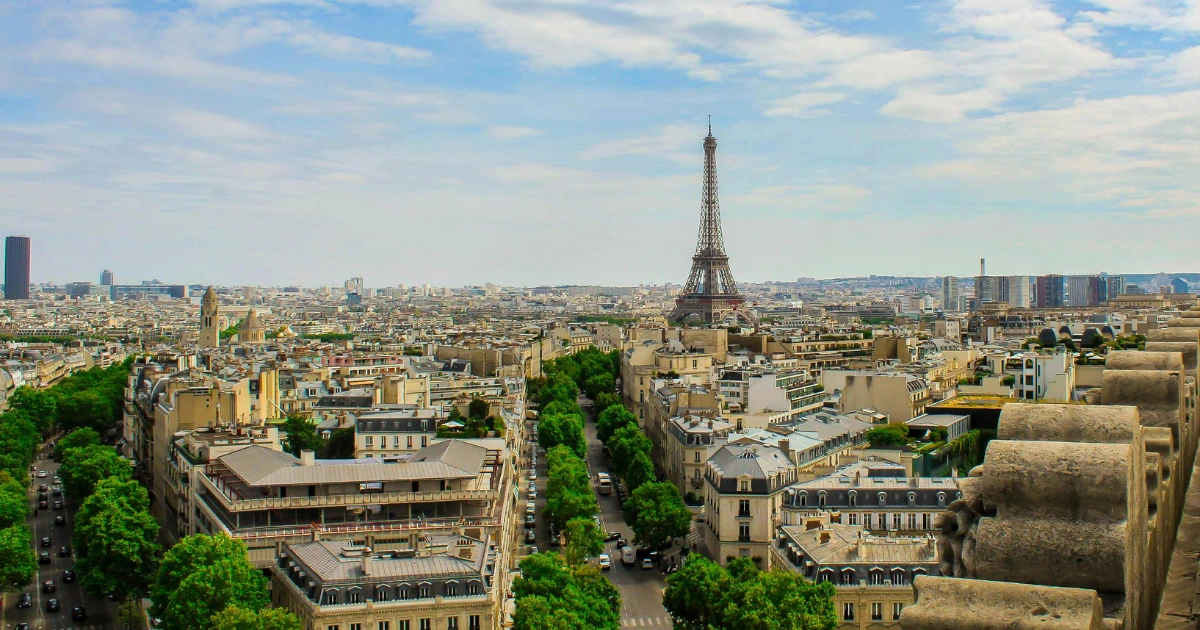
How Wheelchair Accessible Are Paris’s 4 Most Famous Highlights?
June, 2026

Paris is one of the most visited cities in the world, and for good reason. The city is packed with iconic landmarks, world-class museums and one of the most beautiful rivers in Europe. But if you use a wheelchair, scooter or have reduced mobility, you might wonder how accessible these famous sights actually are. In this blog, we take a closer look at how wheelchair accessible Paris’s most famous highlights are, so you can plan your visit with confidence.
Quick Accessibility Summary
The table below gives you a quick overview of how wheelchair accessible each highlight is.
| Highlight | Access level | Key Notes |
|---|---|---|
| Eiffel Tower | Good | Access to floor 1 and 2 by elevator. Top floor not accessible. Priority access and disabled ticket available. |
| The Louvre | Excellent | Free entry with disability tag. Wheelchair loan on site. Priority access. Dedicated Mona Lisa viewing spot. |
| Notre Dame Cathedral | Good | Step-free main entrance. Lifting platform inside. No wheelchairs available on site. No accessible toilet inside. Free entry for all |
| Palace of Versailles | Excellent | Fully accessible palace interior. Gardens are accessible. Free entry with disability tag and free wheelchair loan. |
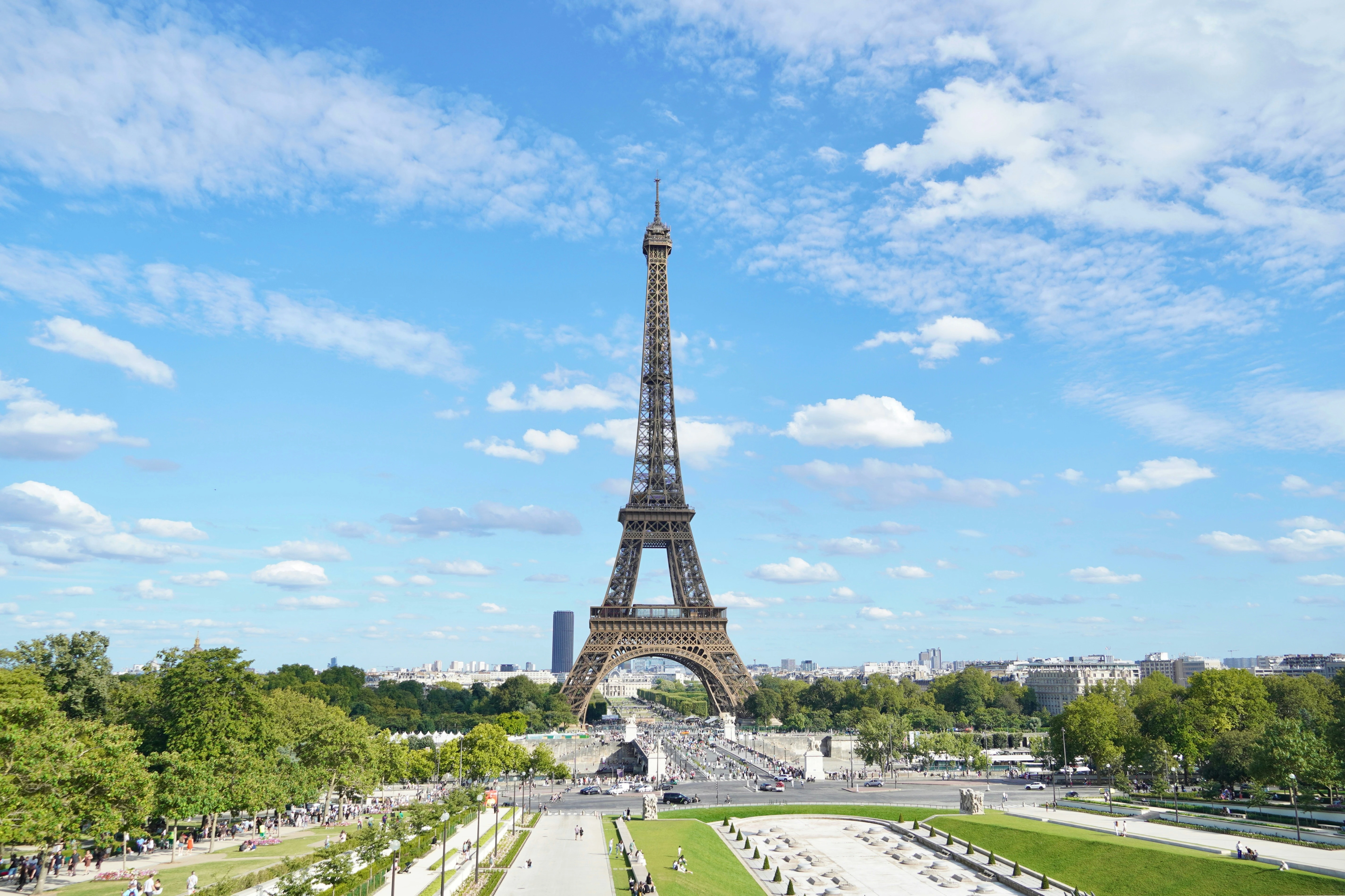
How Wheelchair Accessible Is the Eiffel Tower?
The Eiffel Tower is thé symbol of Paris and, for wheelchair and scooter users, it is more accessible than many people expect. You can reach the first and second floors by means of an elevator, giving scooter and wheelchair users access to the restaurants, gift shops and some of the most impressive views over the city. The second floor is fully accessible, including the outdoor platform and accessible toilets. The top floor is unfortunately not accessible to wheelchair users or visitors using crutches. This is a safety measure related to emergency evacuation, which requires using narrow staircases.
Practical information for visiting the Eiffel Tower in a wheelchair or scooter:
- Accessible entrance via the West or North pillar, with level access to the ticket desk and elevator
- Priority access is available for visitors with a disability card, without queuing
Accessible toilets are available at all levels: ground floor, first floor and second floor - Reduced ticket is available for visitors with a disability, including elevator access to the second floor. One accompanying person receives the same rate.
- Tickets can be booked online up to 60 days in advance
Want to explore the Eiffel Tower with Disabled Accessible Travel? Have a look at our Wheelchair Accessible Best of Paris Tour
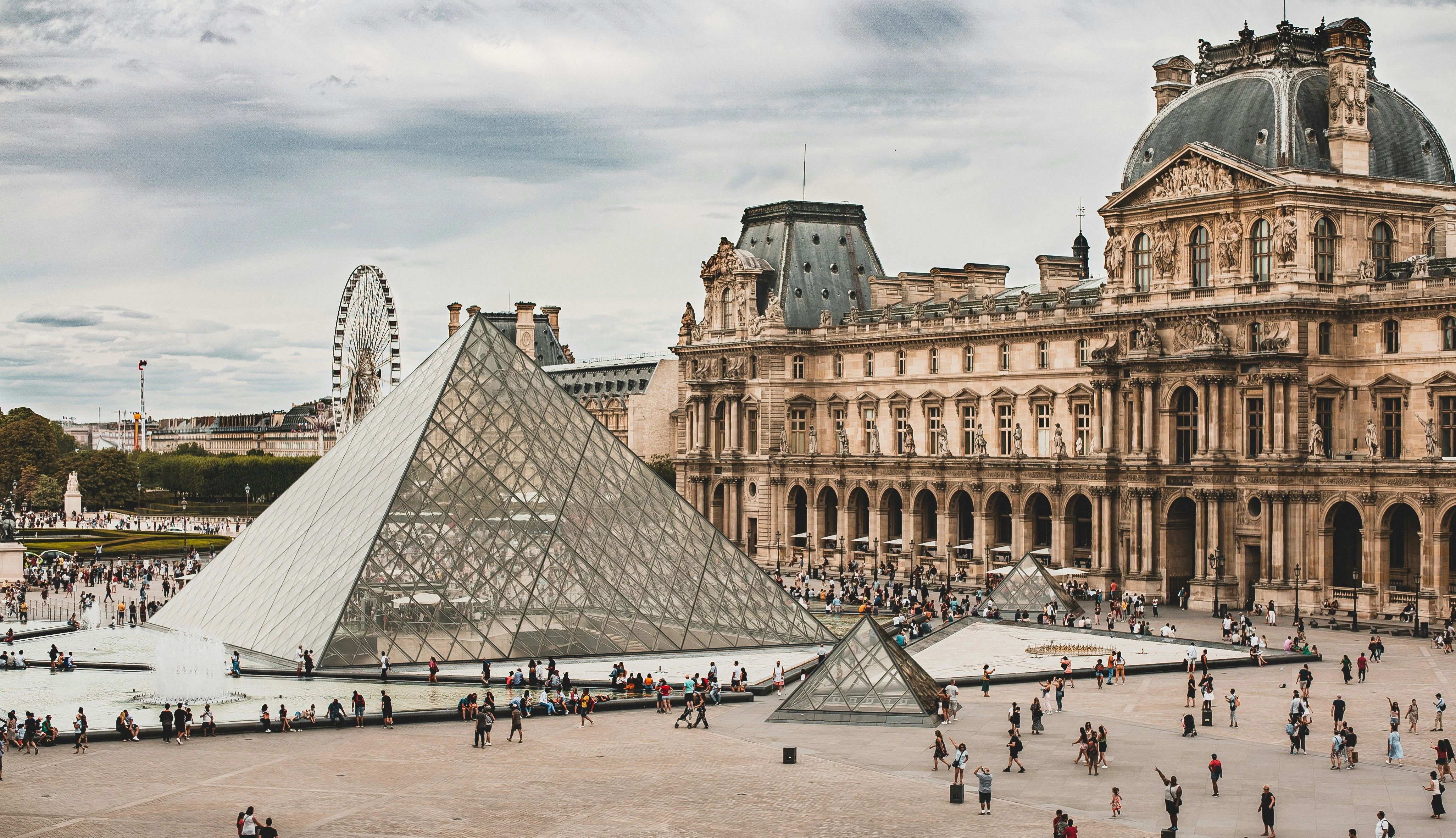
How Wheelchair Accessible Is the Louvre?
The Louvre is the largest art museum in the world and one of the most accessible major museums in Paris. Entry is completely free for visitors with a disability and one companion, on presentation of a valid disability document. The museum has 18 elevators and 20 wheelchair lifts, covering the vast majority of the collection. Because the building is so large, it can be hard to navigate as not all the stairs have a wheelchair accessible solution.
Visitors with a wheelchair also get a dedicated spot in front of the crowd in the Mona Lisa room. This is a good accessibility feature of the museum.
There are two accessible entrances: the main Pyramid entrance and the Carrousel du Louvre, on Rue de Rivoli. The Pyramid entrance is often the easiest option, as the elevator is centrally located and clearly signposted. The Carrousel entrance is sometimes less crowded, but the lifts can be harder to find.
Practical information for visiting the Louvre in a wheelchair or scooter:
- Free entry for visitors with a disability and one companion, on presentation of supporting documents
- Priority access without queuing at the Pyramid entrance and other entrances
- Accessible toilets throughout the museum, indicated on the museum map
- Wheelchairs, folding chairs, canes and multifunctional rolling chairs are available free of charge at the Help Desk under the Pyramid, in exchange for a valid identification document
- We strongly advise all visitors to book a time slot in advance to guarantee admission in case of overcrowding
Want to explore the Louvre with Disabled Accessible Travel? Have a look at our Wheelchair Accessible Tour of the Louvre Masterpieces
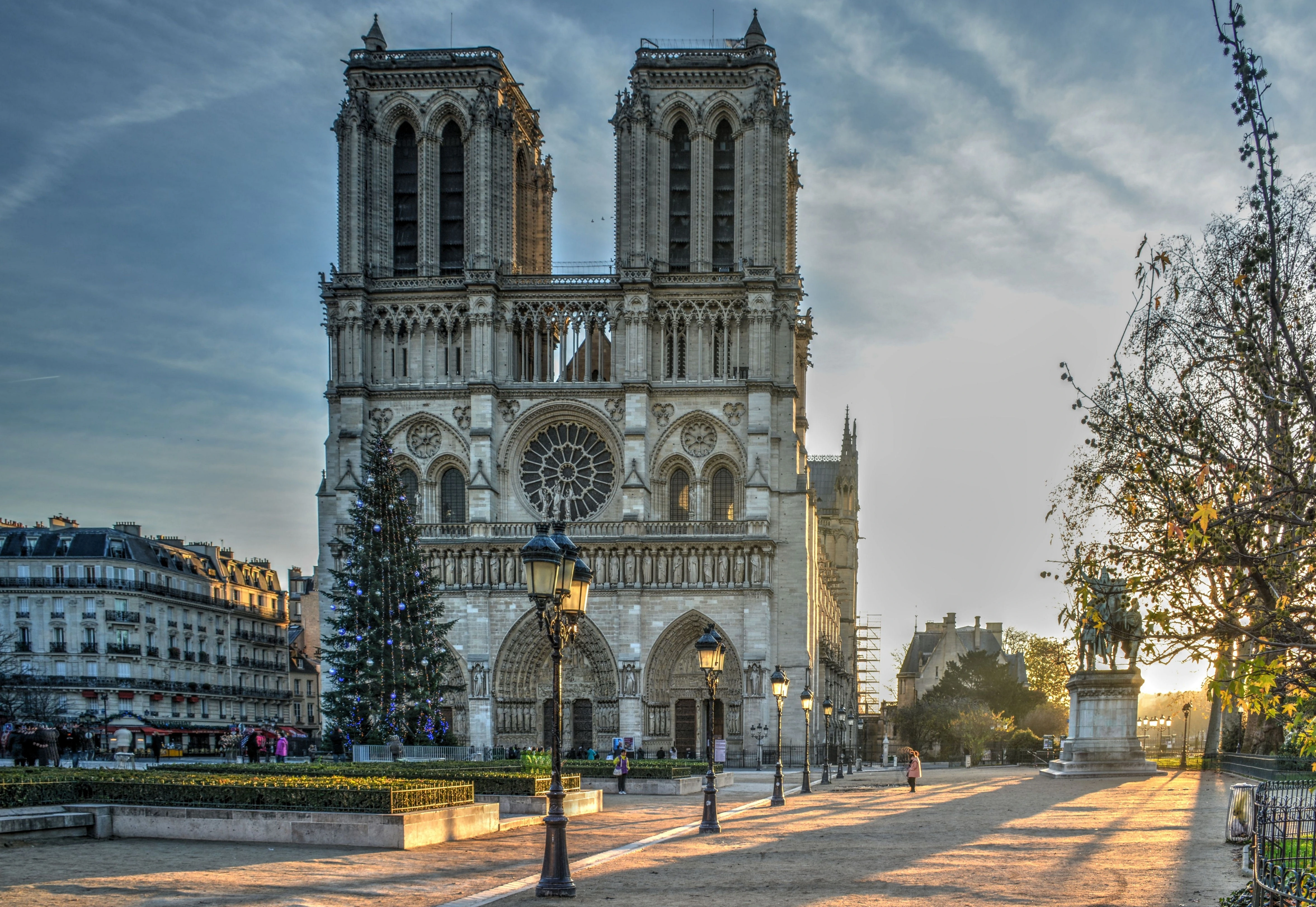
How Wheelchair Accessible Is Notre Dame Cathedral?
Notre Dame reopened its doors in December 2024 after years of restoration following the 2019 fire. The cathedral has been rebuilt with accessibility in mind. The main entrance through the central portal is fully wheelchair accessible, with fast-track access available so you do not have to wait in the regular queue.
Inside, a lifting platform near the north transept gives access to the ambulatory and the chapels around the choir. Several chapels have fixed or movable ramps, available via call buttons on site. The bell towers are only accessible by stairs and are not suitable for wheelchair users.
Practical information for visiting Notre Dame Cathedral in a wheelchair or scooter:
- Accessible entrance via the Portal of the Last Judgment (main entrance). No reservation needed for disability access
- Fast-track priority access for visitors with a disability and one companion
- Entry to the cathedral is free for everyone. Visitors with a disability and one companion also receive free access to the treasury (normal price €12), on presentation of proof of disability
- There are no accessible toilets inside the cathedral. The nearest free accessible toilets are on Rue d’Arcole. Note that the paid toilets on the cathedral forecourt are not wheelchair accessible
- If you want to avoid queues, you can book a free timed entry slot on the official Notre Dame website
Want to explore Notre Dame with Disabled Accessible Travel? Have a look at our Wheelchair Accessible Walking/Rolling Tour Along the Seine
How Wheelchair Accessible Is the Palace of Versailles?
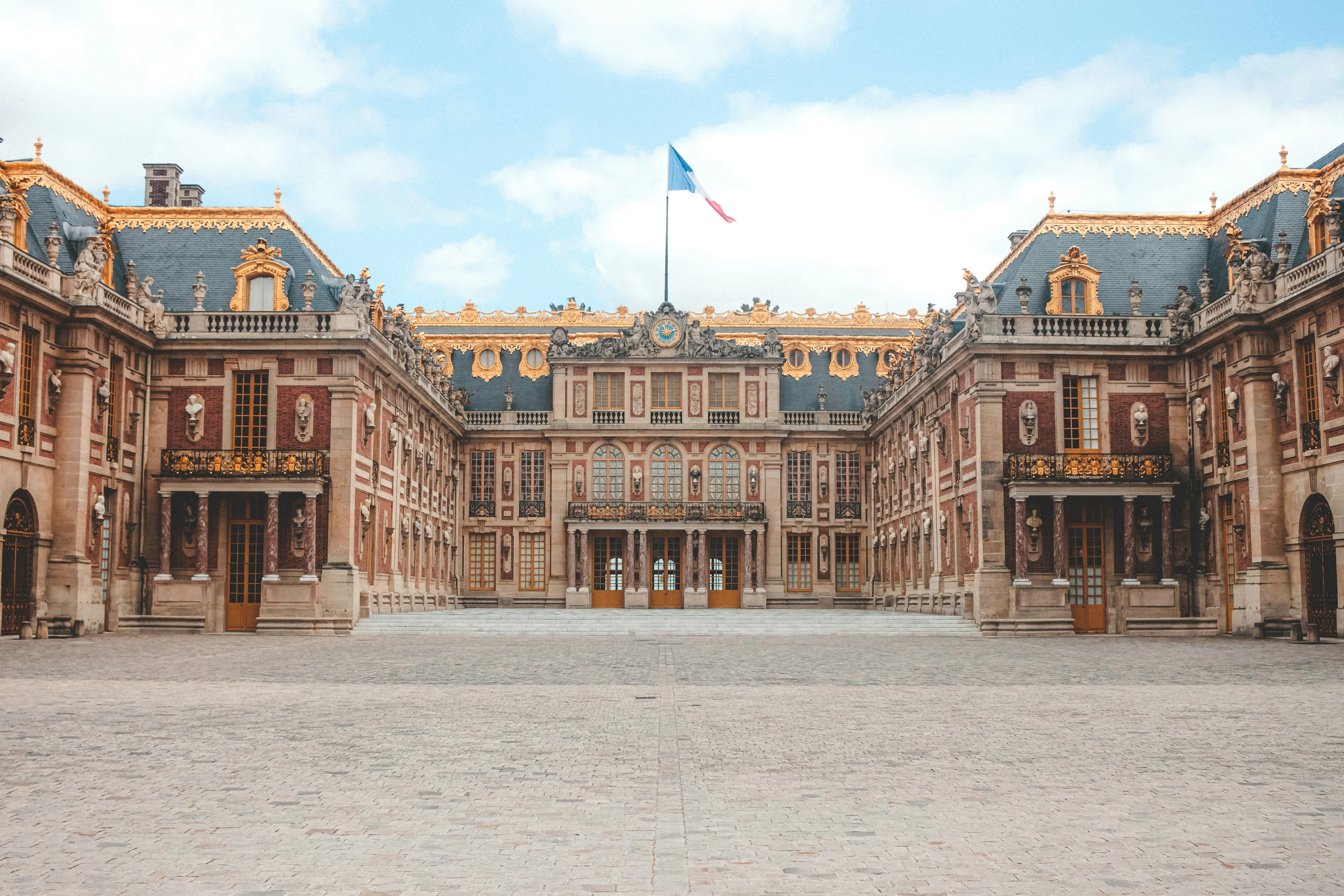
The Palace of Versailles is just outside Paris and one of the most impressive royal estates in Europe. The palace itself is very accessible, with elevators serving all visitor levels and a dedicated accessible entrance via Entrance A, reached by a pedestrian path from the Honour Gate. The gardens cover a large area. The walk from the palace to the Grand Trianon is approximately 1.9 kilometres. Visitors with reduced mobility are strongly advised to use the mini-train, which has space for wheelchairs and stops at both Trianon palaces. A ticket for the mini-train is required and costs approximately €8.50, with a reduced rate available for visitors with a disability.
Visitors with reduced mobility are strongly advised to arrive by car and park at the Flotille or Neptune car parks, which give easier access to the grounds. At the Petit Trianon, only the ground floor is accessible. A multimedia room on the ground floor offers a presentation of the upper floor and the attic for those who cannot access them.
Practical information for visiting the Palace of Versailles in a wheelchair or scooter:
- Lifts serve all visitor levels of the main palace
- Accessible entrance via Entrance A, reached by a step-free pedestrian path from the Honour Gate
- Parking in the Honour Courtyard is free for visitors with a disability card or European disabled parking permit
- Free entry to the palace, the Estate of Trianon and temporary exhibitions for visitors with a disability and one companion. A free timed entry ticket must be booked in advance on the official website
- On Musical Fountains Show days, a reduced Passport ticket of €12 applies instead of free entry
- Free manual wheelchair loan available in the palace, the Gabriel Pavilion and the Petit Trianon. Wheelchairs are not permitted in the gardens
- Accessible toilets available throughout the palace complex
Do you want to know all the info to visit the Versailles? Here we have written a dedicated blog about it!
Want to explore Versailles with Disabled Accessible Travel? Our Wheelchair Accessible Versailles Tour
Final Thoughts
Paris is not a perfectly accessible city, but its most famous highlights have made genuine efforts to welcome visitors with disabilities. Three out of four highlights on this list offer free entry for wheelchair users and a companion. The Louvre loans wheelchairs free of charge. With the right preparation, a visit to Paris can be a comfortable and rewarding experience for wheelchair users and people with reduced mobility.
Getting to Paris Highlights with an Adapted Vehicle
Paris public transport is not always easy to navigate with a wheelchair, and the distances between sights can be significant. Disabled Accessible Travel offers private wheelchair accessible transfers in Paris, with vehicles fitted with a rear ramp. Your driver picks you up at your accommodation and drops you off directly at the accessible entrance of each sight, so you arrive rested and ready. Request your transfer and we will check what we can arrange for your specific dates and locations.
Finding accessible toilets in Paris
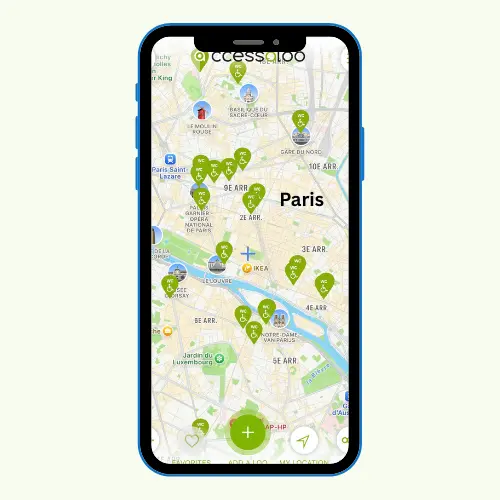
Finding an accessible toilet in Paris is much easier when you have the right tool. We created accessaloo, a free app that shows accessible toilets near you on a map, complete with photos, facilities details and real user reviews. That way, you can check whether a toilet actually suits your needs before you make the trip. Download it free on iOS and Android at accessaloo.com.
FAQ
Is the Eiffel Tower wheelchair accessible?
Yes. Wheelchair and scooter users reach the first and second floors by elevator. The second floor is fully accessible, including the outdoor platform and toilets. The top floor is not accessible. Priority access and a reduced ticket are available.
How easy is it to get around Paris in a wheelchair?
Doable, but it takes planning. You will find step-free sights and smooth pavements, but also cobblestones and steep kerbs. Distances add up fast, so many visitors prefer a private accessible transfer between highlights.
Is the metro in Paris wheelchair accessible?
Mostly not. Only line 14 is fully step-free. Buses are a better option, since almost all have ramps and wheelchair spaces. For door-to-door comfort, a private accessible vehicle is the most reliable choice.

READ RELATED BLOGS