

Accessibility Information You Need Before Visiting Villa Adriana in Tivoli with a wheelchair

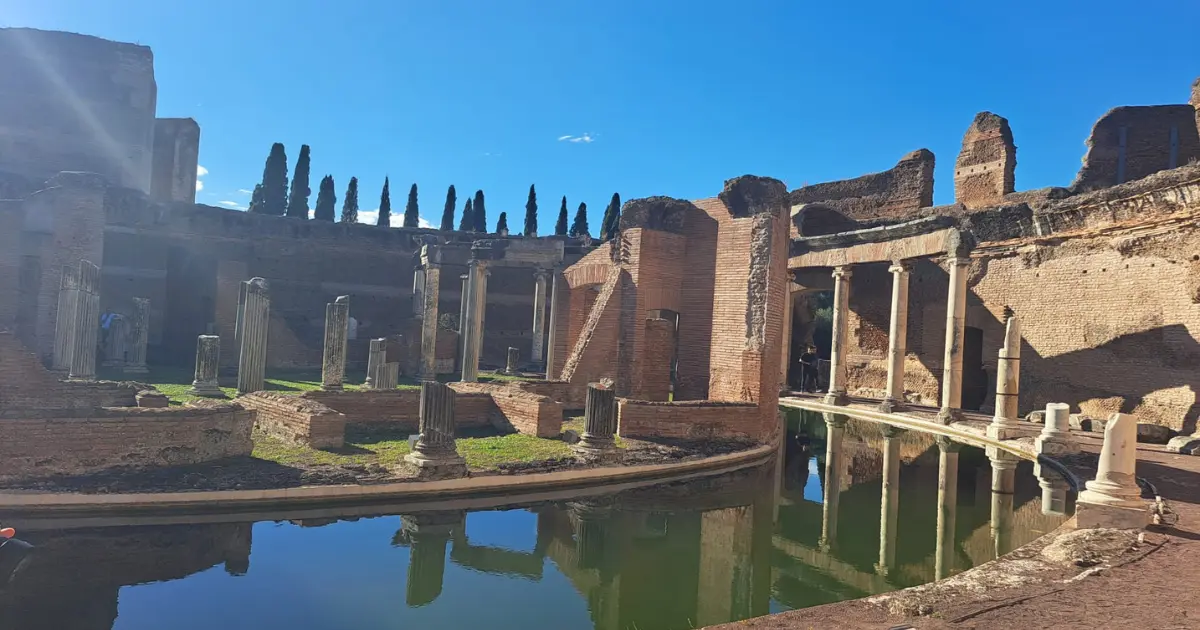
If you’re looking to spend a day outside Rome, Hadrian’s Villa in Tivoli is a must-see. One of the best-preserved and most visited archaeological sites in Italy. If you’re also planning time in the city, check our wheelchair accessible city center tour of Rome.
This page provides practical information about accessibility at the site, helping you plan your visit, especially if you use a wheelchair or mobility aid.
Historical information About Villa Adriana
Hadrian’s Villa is an archaeological testament to the power and sophistication of ancient Rome. As an open-air museum, it is part of Italy’s impressive collection of UNESCO World Heritage sites.
Built between 118 and 138 AD, the villa served as a private retreat for Emperor Hadrian, offering a peaceful escape from the bustle of Rome. Nestled in the green valleys near Tivoli, close to the ancient city of Tibur, the villa combines natural beauty with architectural splendor.
It is the largest imperial villa ever built by a Roman emperor. Emperor Hadrian was a cultured man and a great traveler. When commissioning his residence outside Rome, he requested that the places and monuments that had most impressed him during his journeys be recreated within the villa.
Hadrian’s Villa, built at the gates of ancient Tibur on 120 hectares, became the most magnificent villa of Imperial Rome. The villa included baths, nymphaea, gardens, pavilions, and residential buildings that symbolized the provinces of the Roman Empire.
After Hadrian’s death, the villa gradually fell into disuse. During the Middle Ages, it served as agricultural land, a quarry for building materials, and a source of stone for lime production.
The first topographical survey was conducted in 1560 by Pirro Ligorio, and from the 14th to the 19th centuries, archaeological excavations uncovered much of the original complex, revealing its extraordinary scale and design.
Is Villa Adriana Wheelchair accessible?
To answer this general question about accessibility:
Yes, Villa Adriana is partially accessible for visitors with a wheelchair or mobility scooter.
Please note that there is an accessible route, but along the way, you may find uneven terrain and some hilly areas. The accessible itinerary does not cover the entire complex.
Looking for another archaeological site near Rome with practical accessibility tips? Read our guide to wheelchair accessible Ancient Ostia.
ACCESSIBLE ENTRANCE
The main entrance has a turnstile access and there is a paved terrain. If you are visiting with a wheelchair, you can request the gate to be opened.
A map with the accessible itinerary is available upon request at the main entrance.
Inside the archaeological area, you will find baths, drinking fountains, a small refreshment point, and informational panels for each monument.
Since the site is mostly outdoors, we recommend comfortable, season-appropriate clothing and sturdy walking shoes.
ACCESSIBLE ITINERARY AROUND THE ARQEOLOGICAL AREA
The area open to visitors covers approximately 40 hectares, but the accessible route covers only part of this area, so the site is considered partially accessible.
Along the accessible route, visitors will pass through several key points and monuments, which are described below.
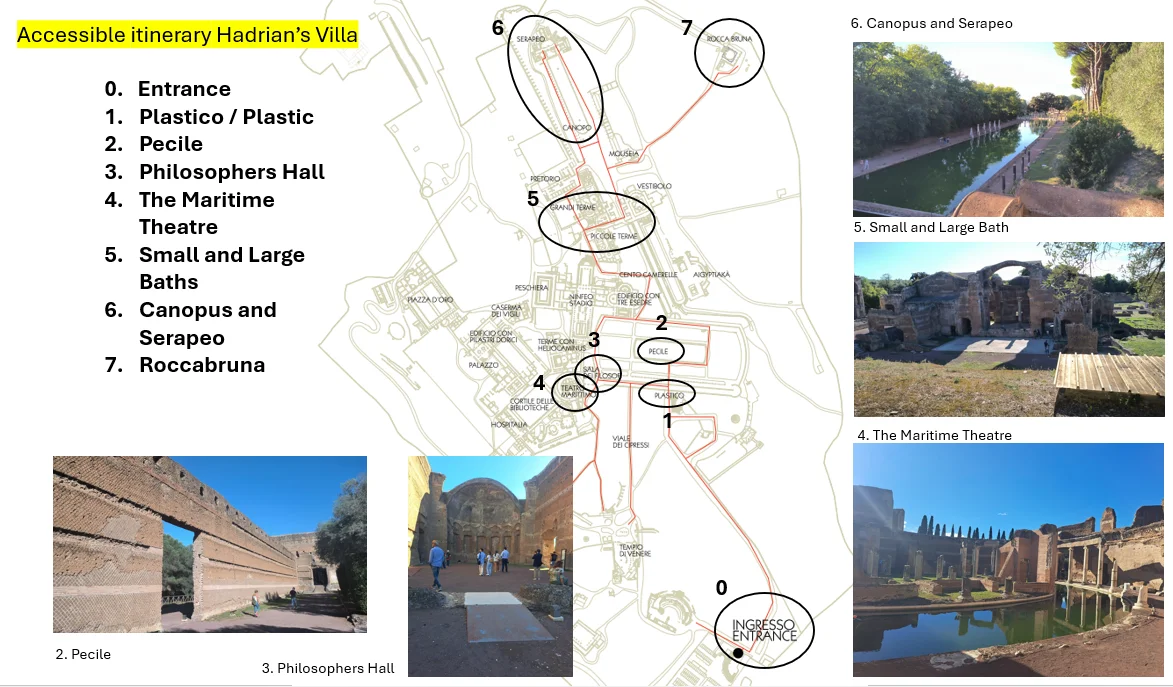
After the access gate (0. Entrance), visitors can follow the accessible route, shown in red on the map. The main starting point, Point 1, is at a building known as the Plastic Model.
From the main entrance, there is a slightly uphill but mostly paved route leading to this building. Inside, visitors can see a model that represents the entire complex during the time of Hadrian, offering an overview of the vast and extensive complex you are about to explore.
Please note: The archaeological park includes some slopes and uneven areas. Not all sections are fully accessible; some paths have steps or archaeological barriers that may restrict access.
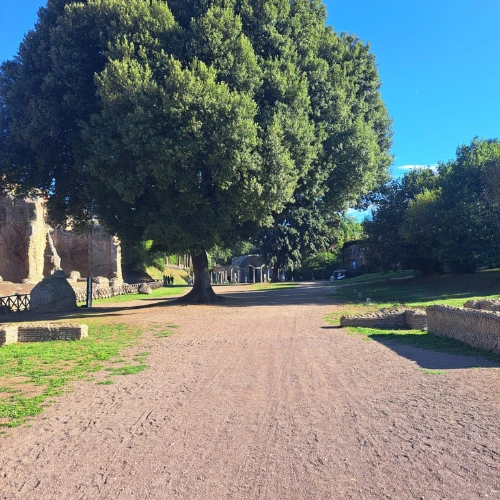
Overall, the accessible route is mostly flat, with a gravel surface throughout the area.
PECILE
After the plastic model, the first element of the villa that tourists will discover is the Pecile.
This is a large portico that once contained a garden with a long central pool.
The path takes you all around the large rectangular structure, which is enclosed by high walls. The area is mostly flat and has a gravel surface.
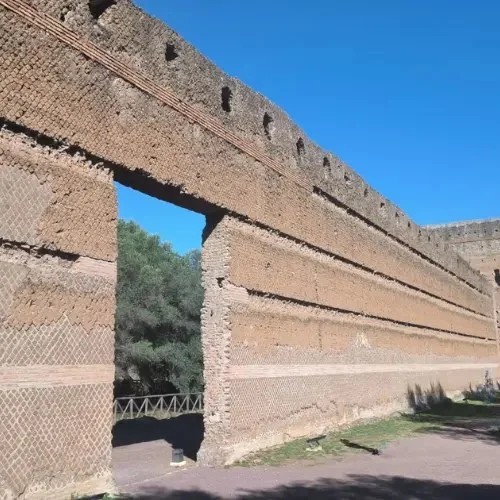
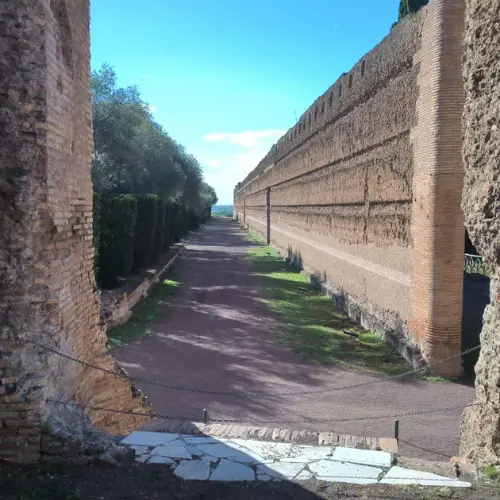
General Accessibility Note: Be aware that within the archaeological park, there are some slopes and uneven areas along the way. Please note that not all areas are fully accessible, some paths include steps or archaeological barriers (such as strairs) that may prevent access to certain sections of the site.
PHILOSOPHERS HALL (SALA FILOSOFI)
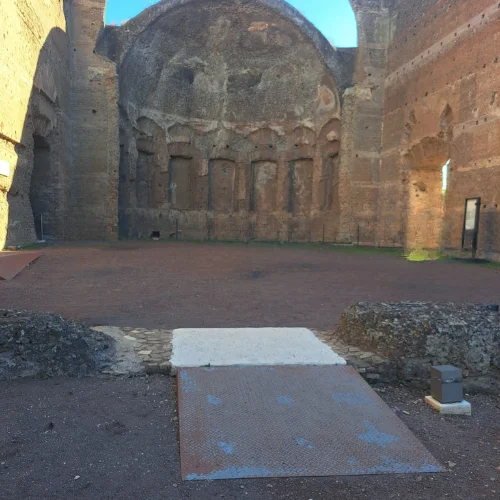
The next stop is the Hall of the Philosophers which is located between el Pecile and the Maritime theatre. The Hall of the Philosophers is believed to have served as a library, with the seven niches functioning as cabinets for books and manuscripts.
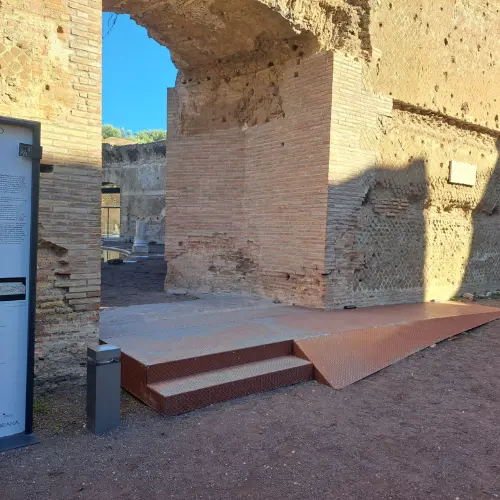
This area is mostly flat and characterized by a sandy surface. A metal ramp connects the two sections of the space.
MARITIME THEATRE (TEATRO MARITTIMO)
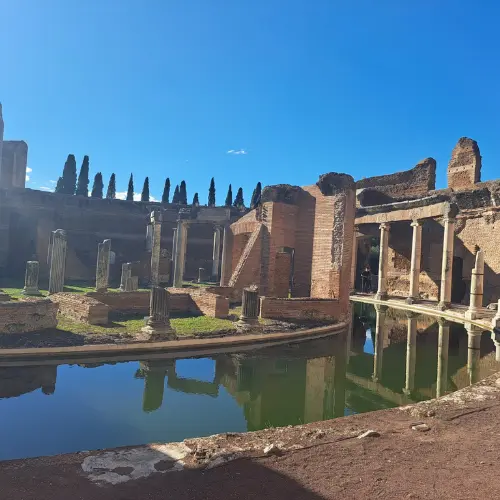
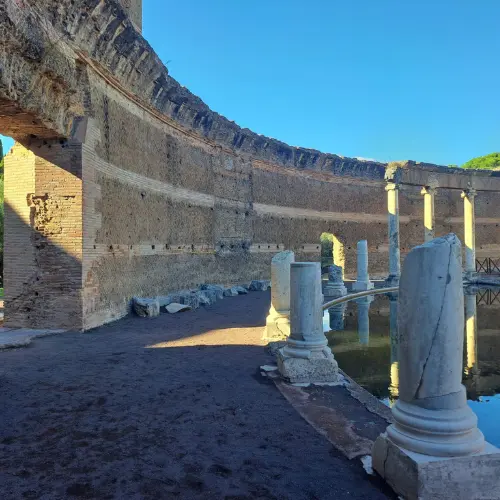
A few metres away, visitors will discover one of the villa’s most famous and representative monuments, the Maritime Theatre. This is a unique place, some kind of island with an Ionic colonnade surrounded by an artificial canal. This fascinating place was the refuge where the Emperor Hadrian liked to retreat to think.
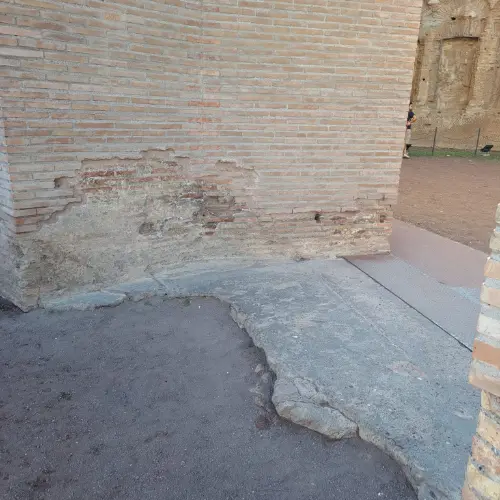
However, to reach this beautiful room, visitors need to overcome a few steps, and in the same part, there is some uneven terrain. There is a metal ramp located as an alternative route to the stairs. The same goes here; the terrain is mainly sandy and gravel.
SMALLER AND LARGE BATHS (PICCOLE E GRANDI TERME)
Villa Adriana had four Thermal baths. They were all located in the same area of the Villa for practical reasons: the Baths with the Heliocaminus, the Large Baths, the Small Baths, and a small private bath inside the Maritime Theatre.
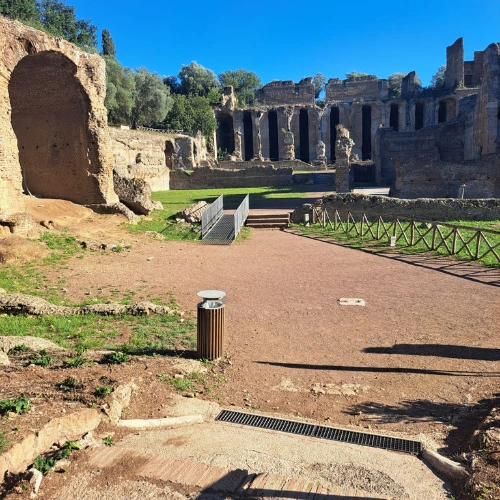
During the tour, the accessible route passes by the Large and Small Baths. This area is a large open space that is generally flat, with a gravel surface. It is easy to navigate and move around to explore the space.
The Large and Small Baths were richly decorated, while the subterranean areas were reserved for service staff. In fact, a network of underground corridors, still well preserved today, was used exclusively by slaves, who worked there to maintain the heating systems for the rooms.
Unfortunately, visitors who wish to explore the former thermal areas in greater depth will find that some sections are not wheelchair accessible.
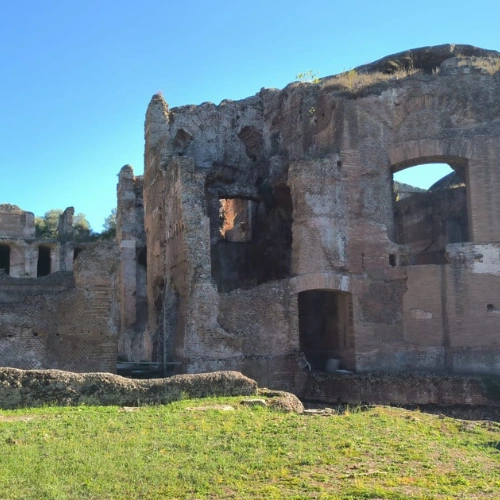
CANOPUS AND SERAPEO (CANOPO E SERAPEO)
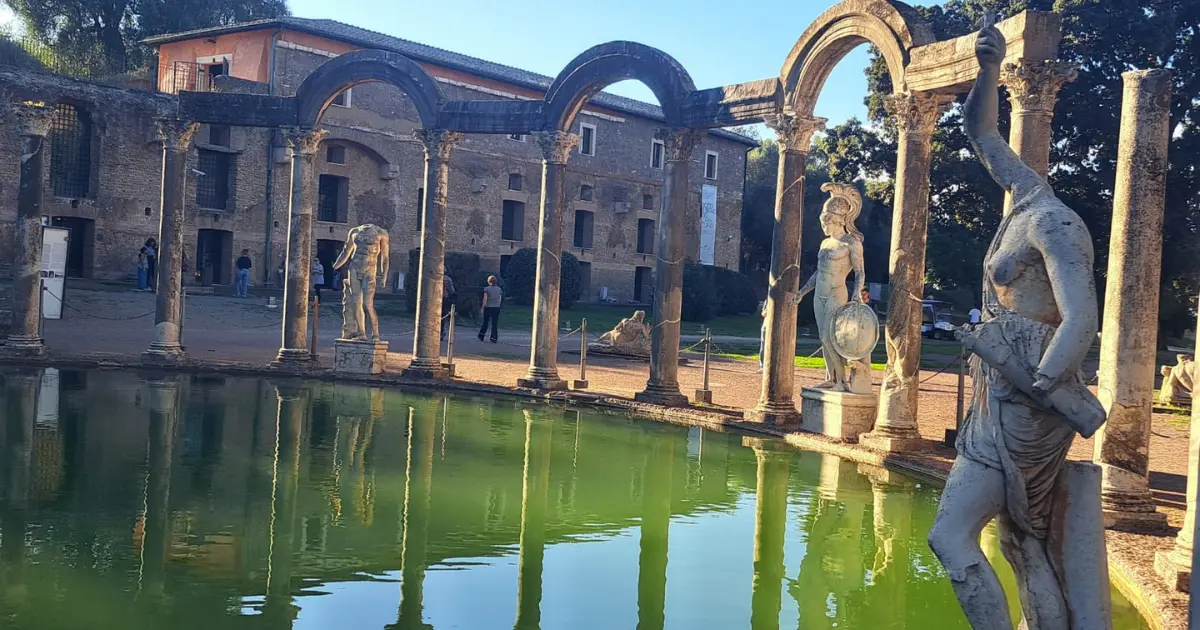
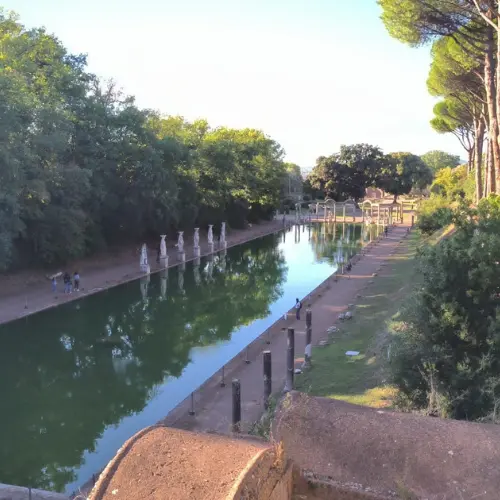
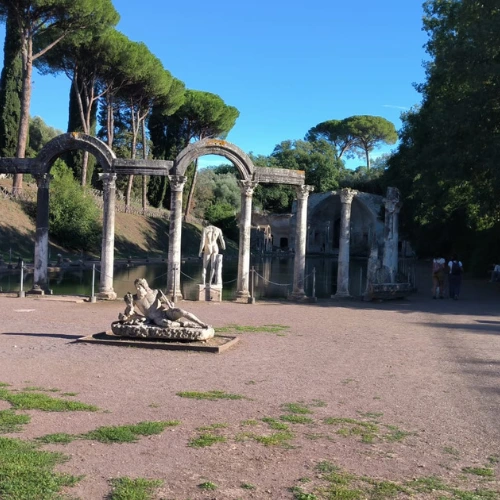
One of the last stops on the accessible itinerary, is one of the most iconic images of Villa Adriana: the Canopus and the Serapeo.
This is a large rectangular pool surrounded by splendid sculptures, designed to evoke ancient Egypt. It is one of the most spectacular places in the complex.
This was the place where the emperor used to host parties and banquets during the summer. During the visit, it is possible to walk around the pool. The ground is mostly flat and covered with a gravel surface.
ROCCABRUNA
If visitors want to discover another area around the complex, the accessible itinerary leads to a place called Roccabruna.
The Roccabruna is a building characterized by its isolated location and is one of the most unique structures in the Villa.
At that time, this was the observatory, which explains why it was situated away from the other buildings.
Today, only the lower floor of Roccabruna survives: a massive quadrangular block with perimeter walls three meters thick. From here, visitors can access the rooftop viewpoint, which serves as a magnificent panoramic terrace. On clear days, the dome of St. Peter’s Basilica is visible from here.
Accessibility note: Visitors can reach the Roccabruna building via an accessible path; however, the upper level of the rooftop is not accessible to wheelchair or mobility scooter users due to a long flight of steps. Unfortunately, there is no alternative way to reach the rooftop.
Want to add another accessible day trip outside Rome to your itinerary? Take a look at our Discover wheelchair accessible Ancient Ostia tour.
OTHER SITES WHICH ARE NOT WHEELCHAIR ACCESSIBLE
Due to the nature of the archaeological site, some areas are challenging to access by wheelchair.
Visitors who do not follow the accessible itinerary should be aware that they may encounter steps, uneven terrain, and multiple uphill and downhill sections throughout the complex.
Some monuments that are not wheelchair accessible include: the Greek and Latin Libraries, the Palazzo Imperiale, the original core of Hadrian’s residence and court, the Greek Theatre, and buildings featuring the fishpond and the Heliocaminus baths.
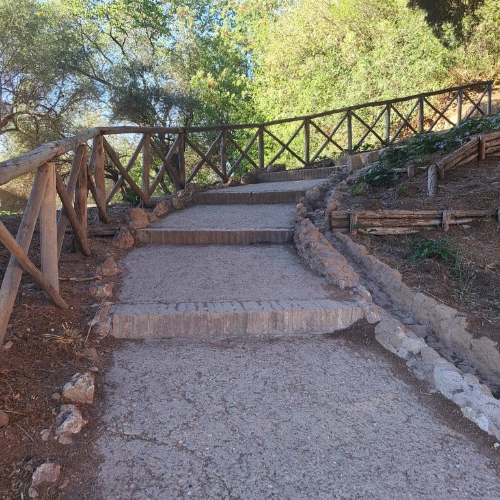
ACCESSIBLE TOILET
There is an accessible toilet inside the archaeological site, located close to the Canopus and Serapeo. The door is open, so you don’t need to request a key to enter.
To reach the entrance, visitors need to follow a slightly uphill route.
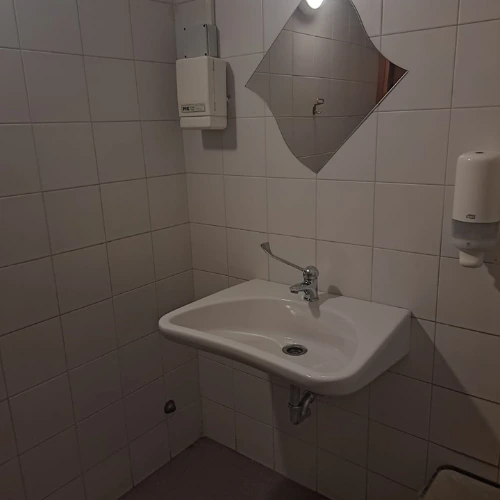
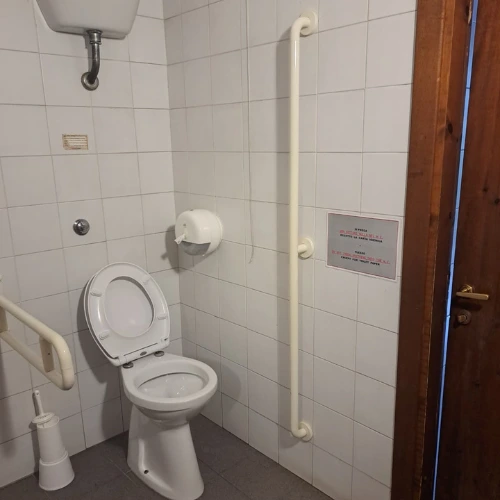
Want to know where to find this accessible toilet? With our newest app, Accessaloo, you can find the exact location of this accessible toilet and many more.
Download Accessaloo to find the exact location of the toilet and navigate.

Keep reading
You might also like
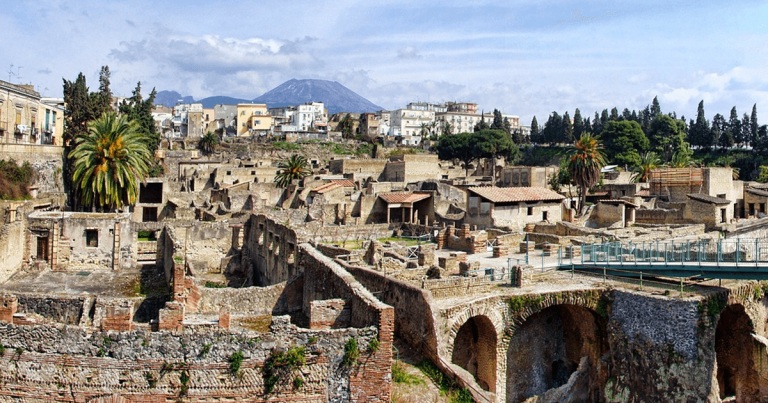
Accessible Herculaneum
Accessibility information about Herculaneum. The little brother of Pompeii
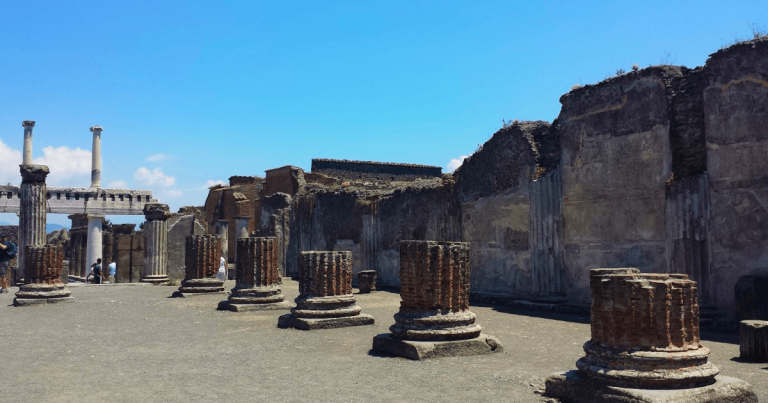
Accessibility of Pompeii
Accessibility of Pompeii explained. Discover routes, terrain, toilets, entrances, and tips for a smoother visit.
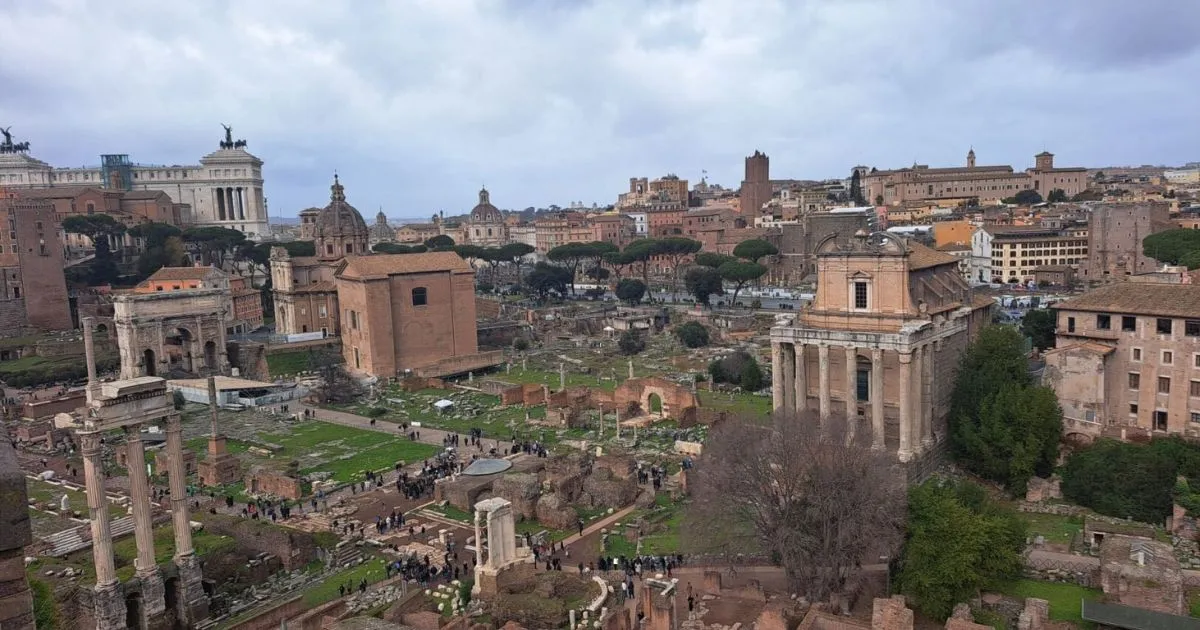
Roman Forum & Palatine Hill
The Roman forum and Palatine hill are partially accessible. Follow our guide for routes, entrances, and practical accessibility tips.