

How Wheelchair Accessible Is the Picasso Museum in Barcelona?

If you are planning to visit the Picasso Museum in Barcelona and want to know if it is wheelchair accessible, this guide will help you prepare your visit. You will find practical information about how to get there, accessibility, lift access, accessible facilities, and what to expect when visiting the museum as a wheelchair or scooter user or visitor with reduced mobility.
The Picasso Museum is located in the historic El Born neighbourhood and is one of Barcelona’s most important museums. The museum is dedicated to Pablo Picasso and his connection with the city.
The Picasso Museum is fully accessible. Wheelchairs are available free of charge, visitors with reduced mobility can use the lift, adapted toilets are available, and guide dogs are welcome inside the museum and its galleries.
About the Picasso Museum
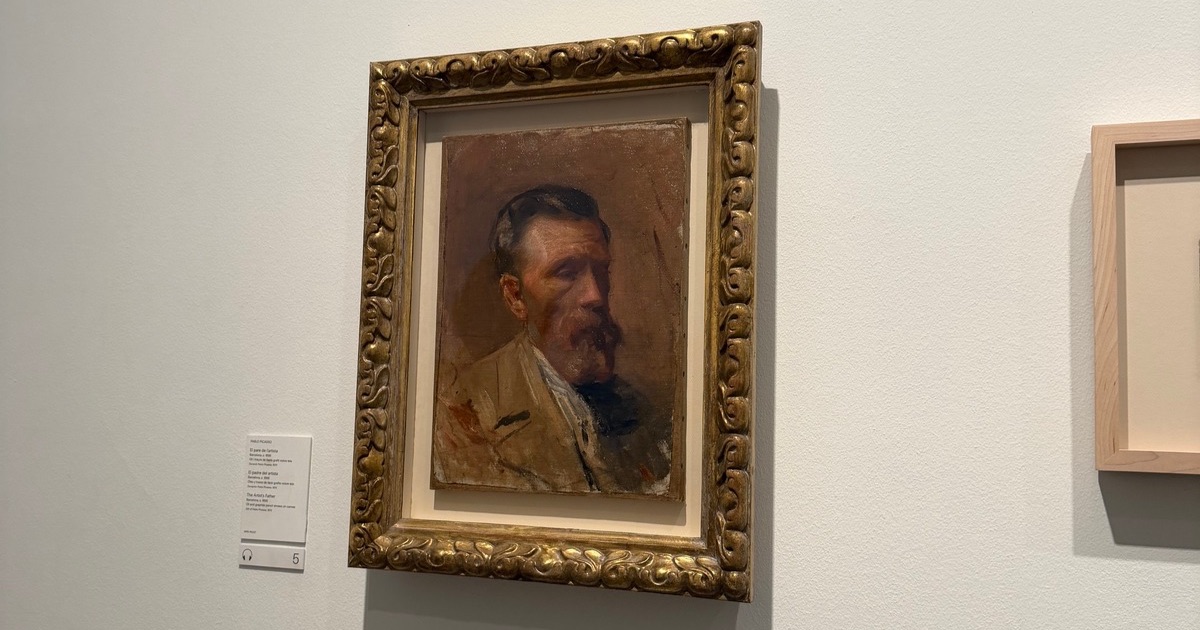
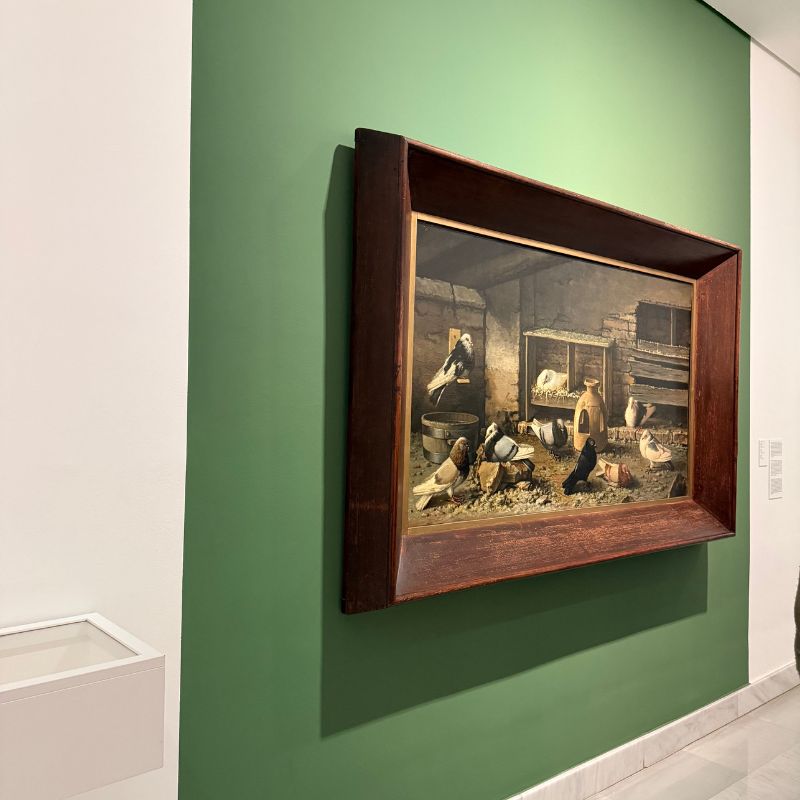
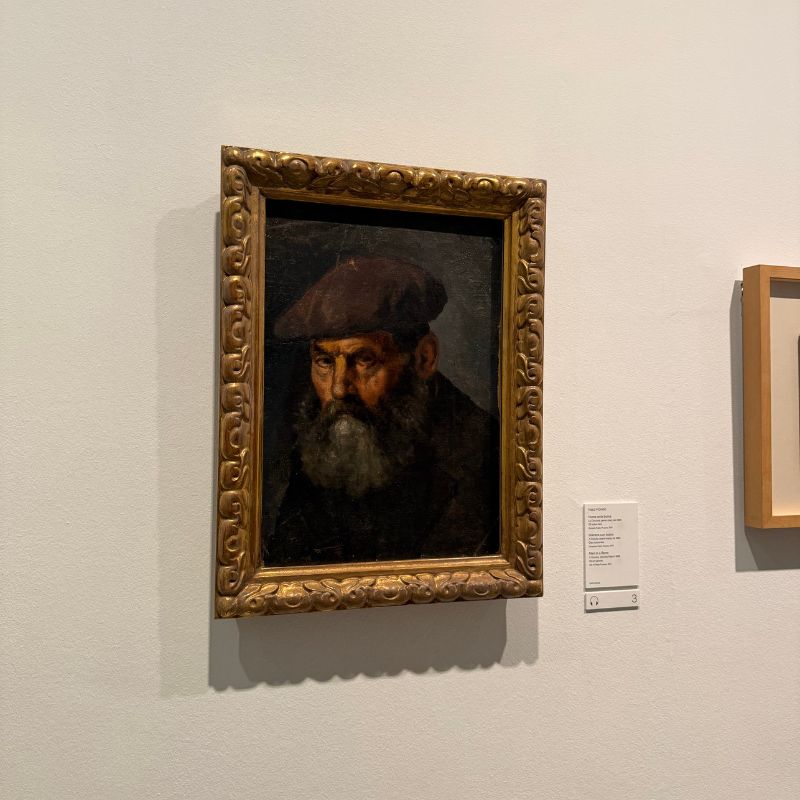
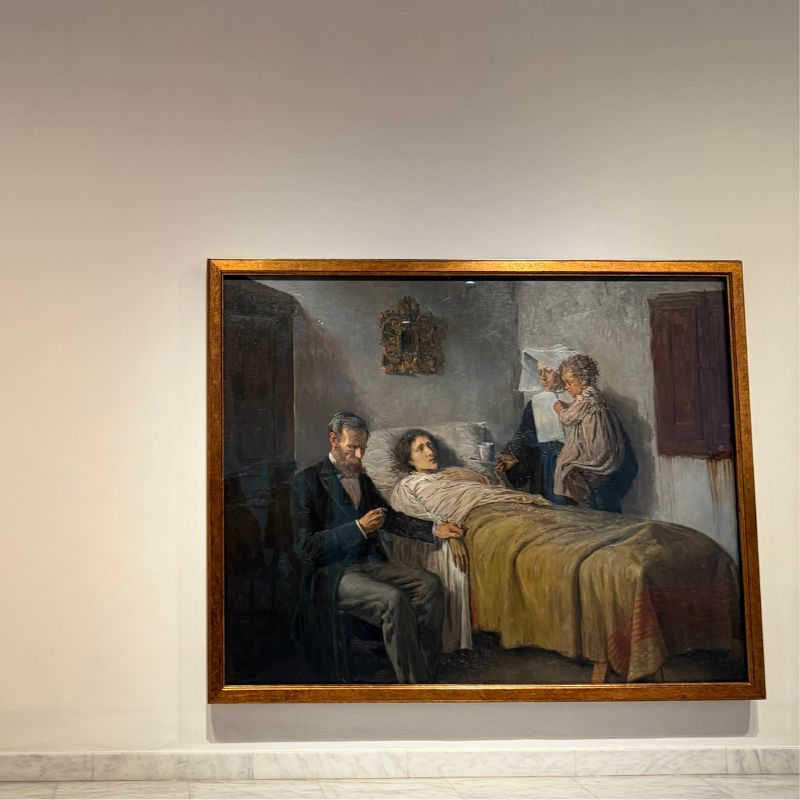
As you move through the museum, you can discover Picasso’s early work and learn more about his connection to Barcelona, the city where he spent important years of his youth. The collection includes around 5,000 works, including paintings, drawings, ceramics, sculptures, graphic works, and sketchbooks. This gives you the chance to discover different sides of Picasso and see how his style changed throughout his career.
Picasso is one of the most famous artists of the 20th century and is known for experimenting with different styles and ways of creating art. At the museum, you can explore his early academic work, his Blue Period, and his famous series of paintings inspired by Las Meninas, a masterpiece by the Spanish artist Diego Velázquez.
Barcelona had a significant influence on Picasso’s artistic journey. The city provided an inspiring environment where he refined his skills, explored new artistic ideas, and became part of a vibrant creative community. A visit to the museum offers a deeper understanding of both Picasso’s development as an artist and the lasting relationship between his work and Barcelona.
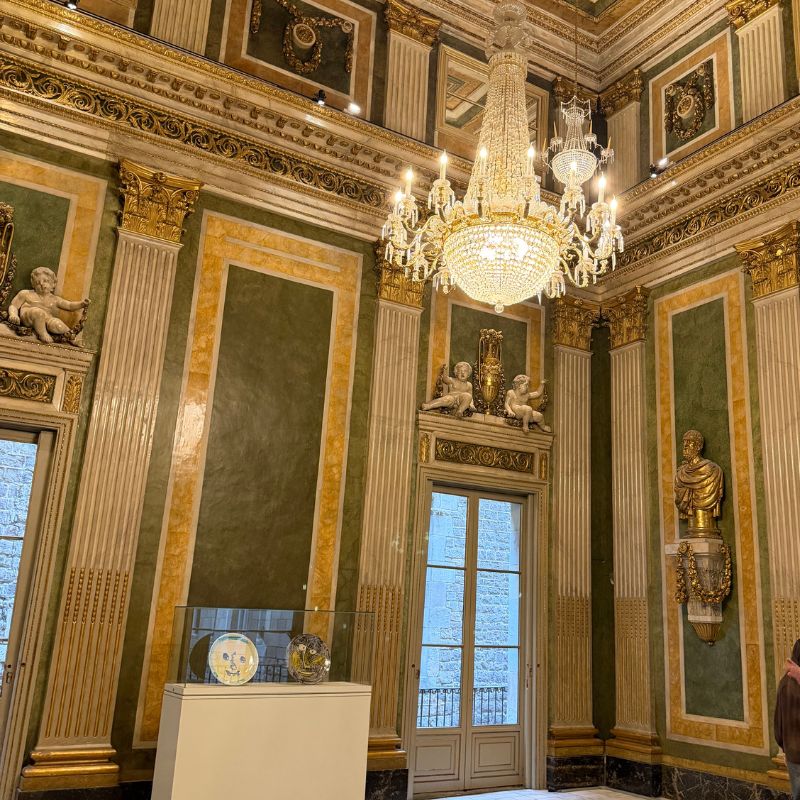
Set within five beautiful historic palaces on Carrer de Montcada in one of Barcelona’s most charming historic quarters, the museum offers more than an impressive collection of Picasso’s work. Its unique setting allows visitors to discover an important piece of Barcelona’s history and character.
Wheelchair Accessibility of the Picasso Museum
The Picasso Museum is fully accessible for wheelchair users. Several facilities are available to make the visit easier for wheelchair, scooter and visitors with reduced mobility.
Here is a quick overview:
- Lift access to all floors for visitors with reduced mobility
- Free rental wheelchairs available
- Adapted toilets
- Folding chairs available in the galleries for visitors needing a rest
- Guide dogs and assistance dogs allowed
- Preferential access for visitors with reduced mobility
Getting to the Picasso Museum
The Picasso Museum is located at Carrer de Montcada, 15-23, 08003 Barcelona, in the historic El Born neighbourhood. El Born is known for its narrow medieval streets, historic buildings, small shops and lively atmosphere. Carrer de Montcada itself is one of the oldest streets in the area and is lined with beautiful historic palaces and museums.
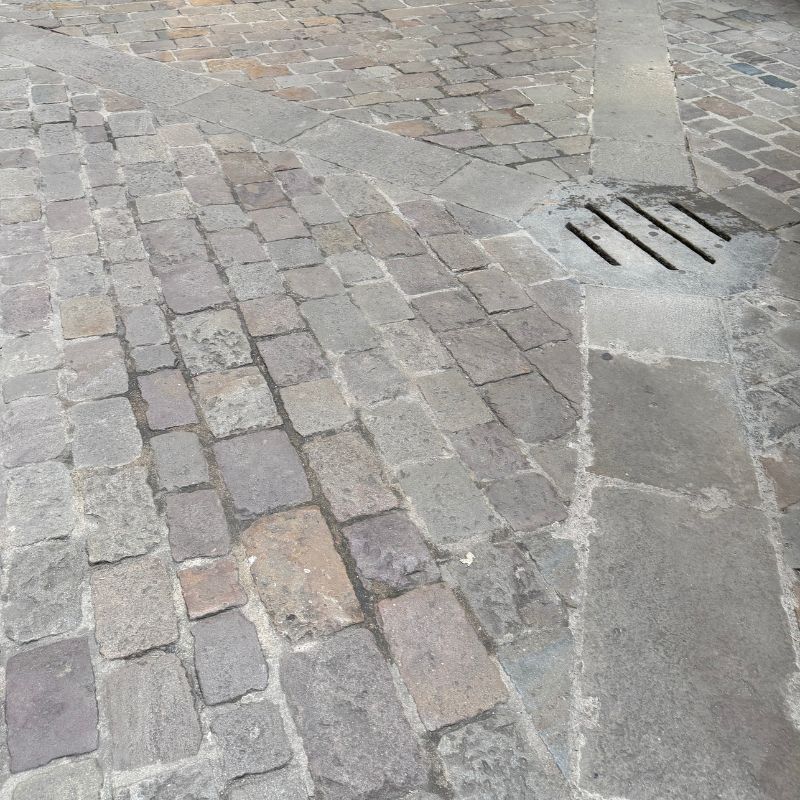
For wheelchair users, it is good to keep in mind that the streets around the museum can be uneven. Some of the smaller streets have cobblestones and narrow pavements, while wider streets such as Passeig del Born are generally easier to navigate. The area is mostly flat, but the uneven surfaces can make getting around more challenging for wheelchair or scooter users.
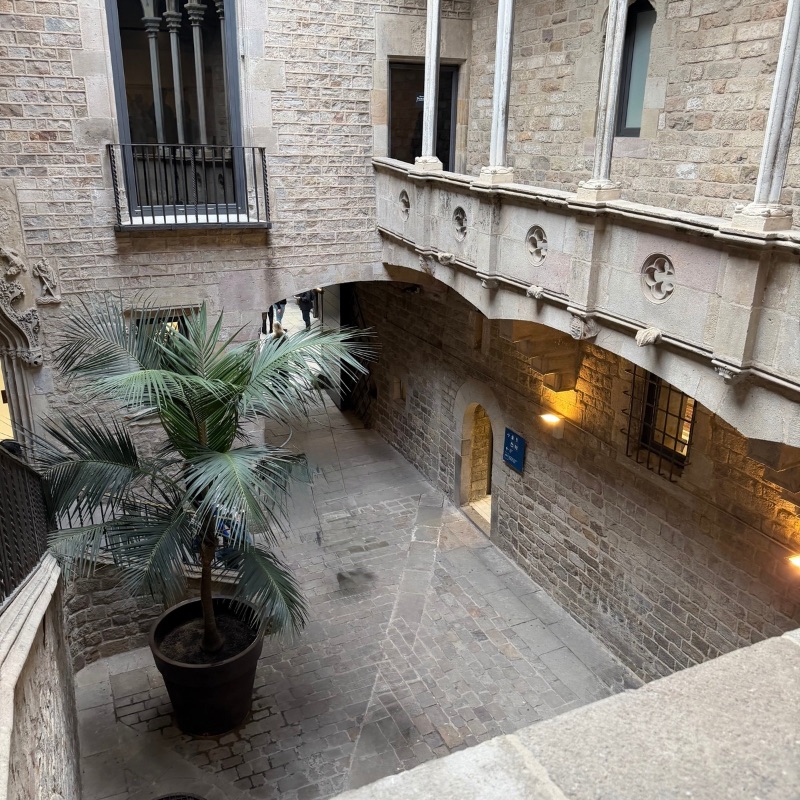
The museum’s main entrance is step-free and located on a generally flat section of Carrer de Montcada. After entering the museum and scanning your ticket, you pass through the central courtyard. The courtyard is flat and easy to navigate with a wheelchair or mobility scooter.
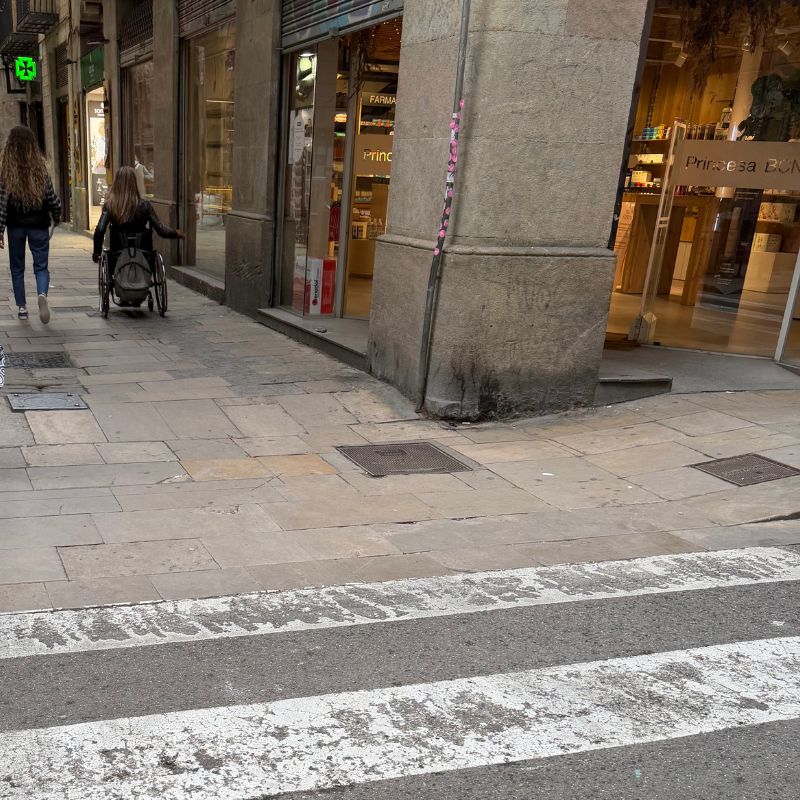
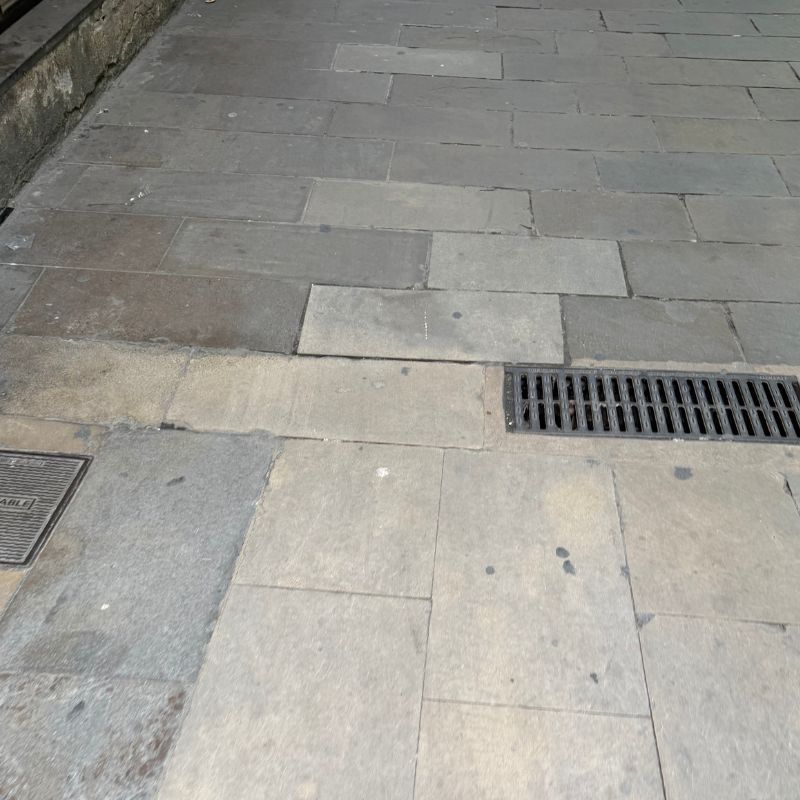
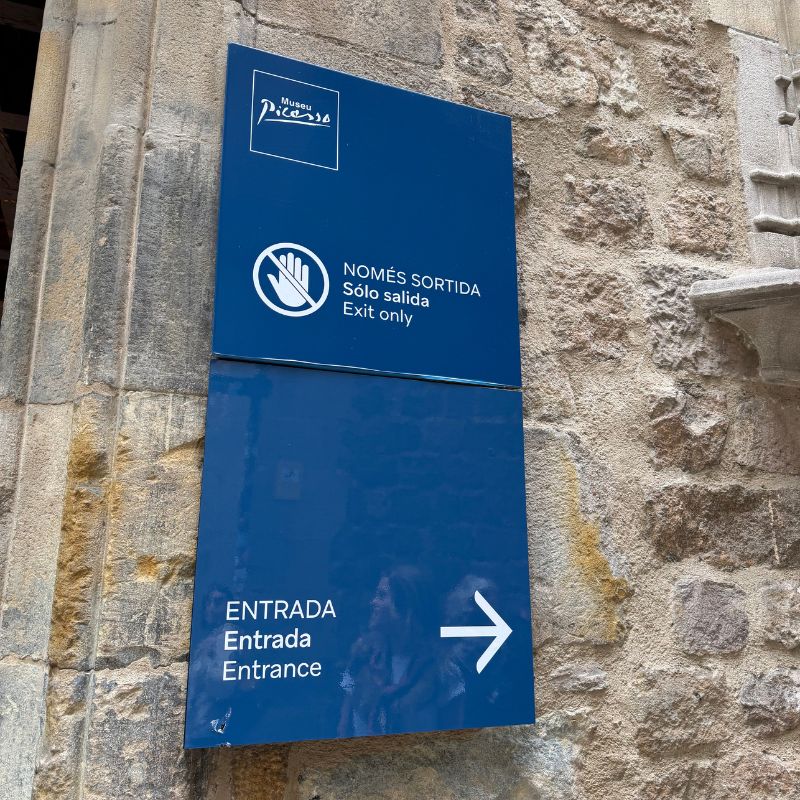
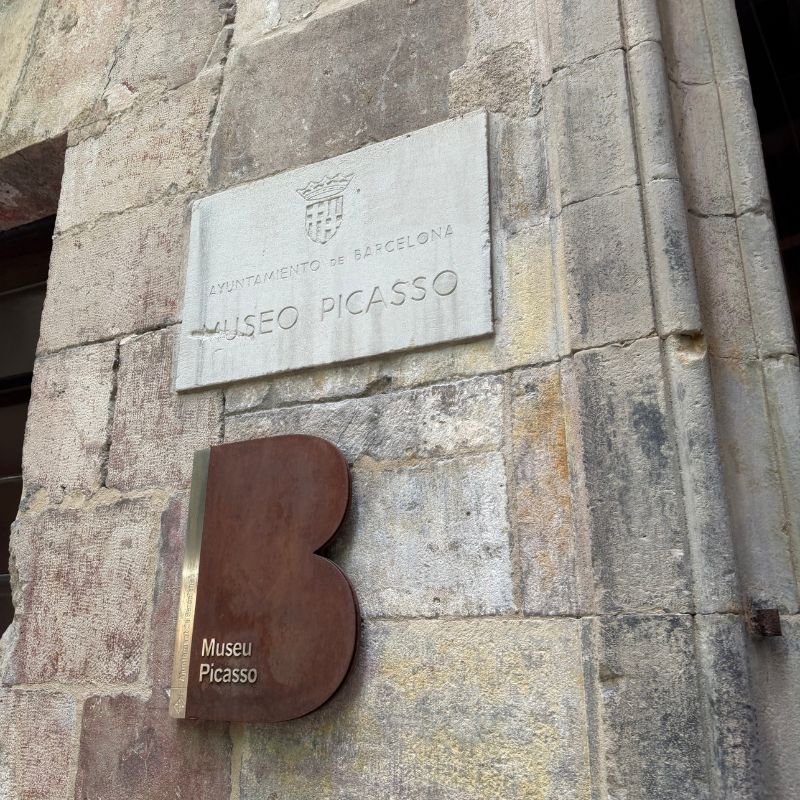
Public transport
Taking a bus is one of the easiest ways to reach the museum. Barcelona’s entire bus network is accessible for people with reduced mobility, with buses equipped with ramps and designated wheelchair spaces. Several bus stops are located near the museum, including Via Laietana, served by bus lines 120, 45, V15 and V17, around 4 minutes from the museum, Passeig Picasso, served by 39, 51 and H14, around 5 minutes away, Pla de Palau, served by H14, 45 and 51, around 6 minutes away, and Princesa, served by 120, just 1 minute from the museum. From these stops, you can continue along the streets to the museum entrance.
The museum can also be reached by metro. The closest stations are Jaume I (L4), around 3 minutes from the museum, and Arc de Triomf (L1), around 10 minutes away. Both stations have lift access and are accessible for wheelchair users.
Private adapted transfer
If you prefer to travel by private transport, we can also arrange an adapted transfer for your journey. This can be a convenient option if you prefer door-to-door transport.
Lift Access at the Picasso Museum
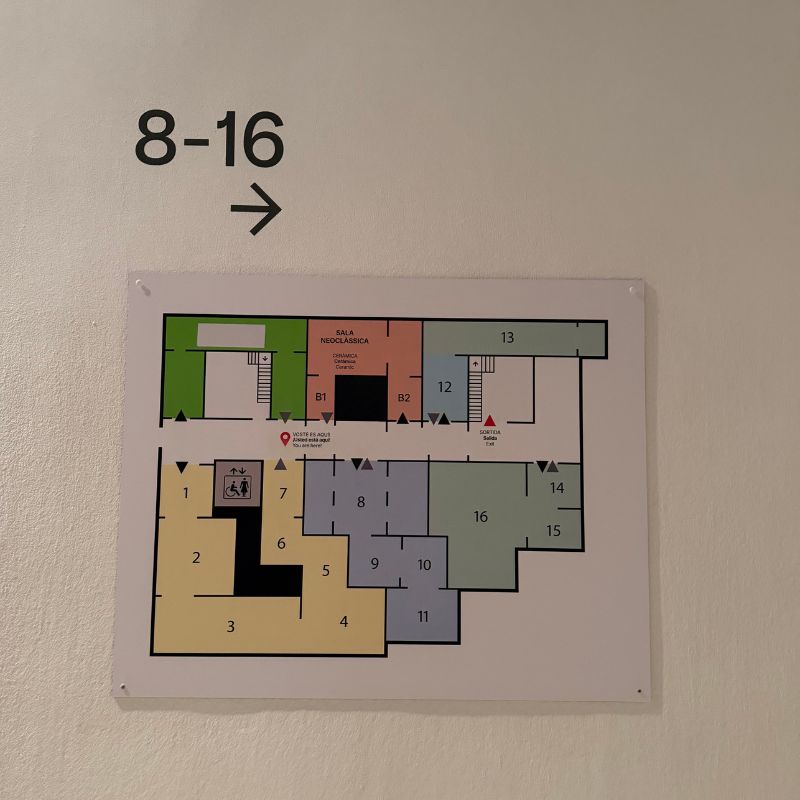
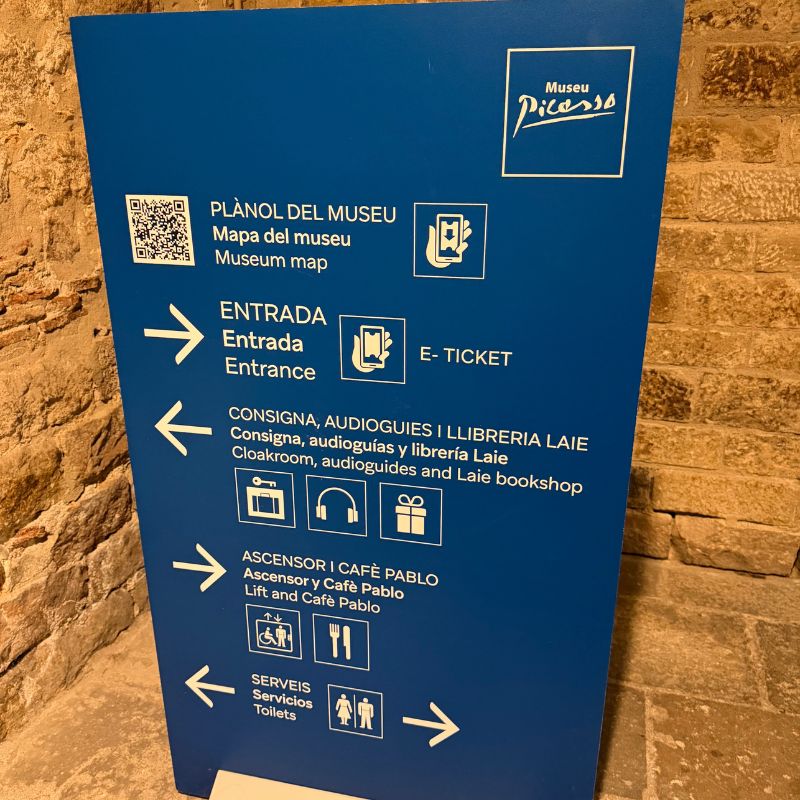
Visitors with reduced mobility or wheelchair users can use the lifts inside the museum. After crossing the courtyard and entering the museum building, the flooring remains smooth and level, with no significant change in surface height. The lift is located on the right-hand side and provides step-free access to the museum’s different exhibition floors. After leaving the lift, visitors turn right to follow the route through the different Picasso galleries and exhibition rooms.
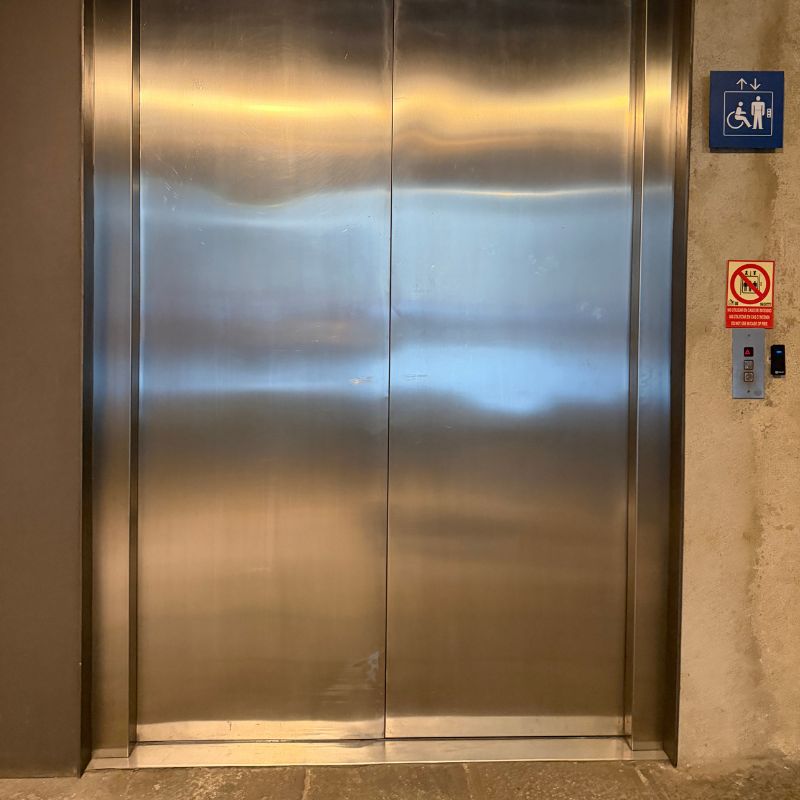
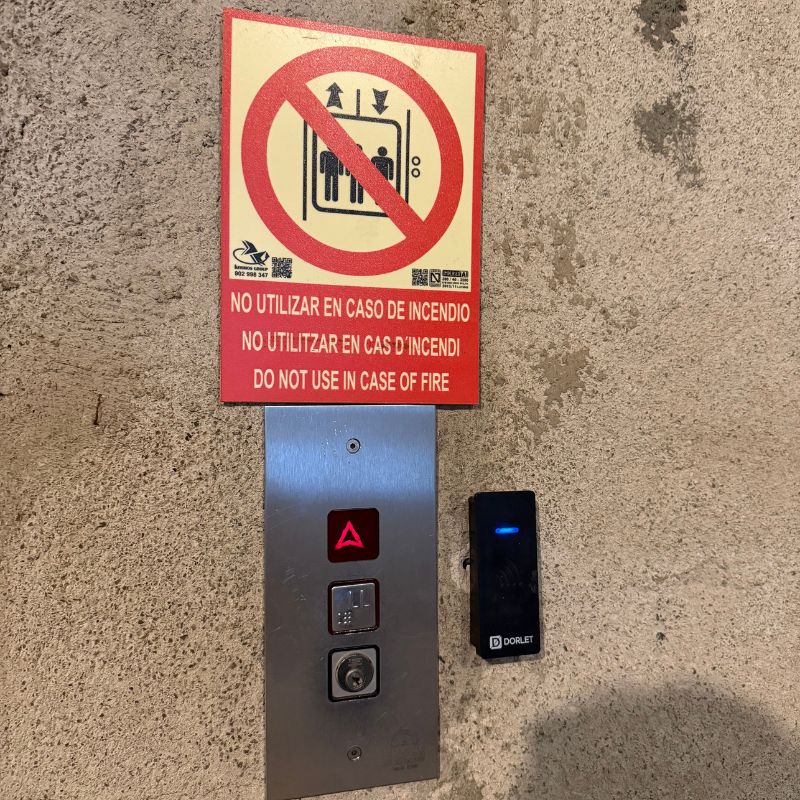
Please note that staff assistance is required to use the lifts, as they can only be activated by museum staff. If you wish to use the lift, a member of staff will be happy to assist you and guide you along the accessible route.
Wheelchairs Available at the Picasso Museum
The museum provides wheelchairs free of charge for visitors who require one. You can ask for a wheelchair at the reception desk or ticket counter when you arrive. They are available to use during your visit and do not need to be reserved in advance. As wheelchairs are subject to availability, it is best to ask the museum staff when you arrive.
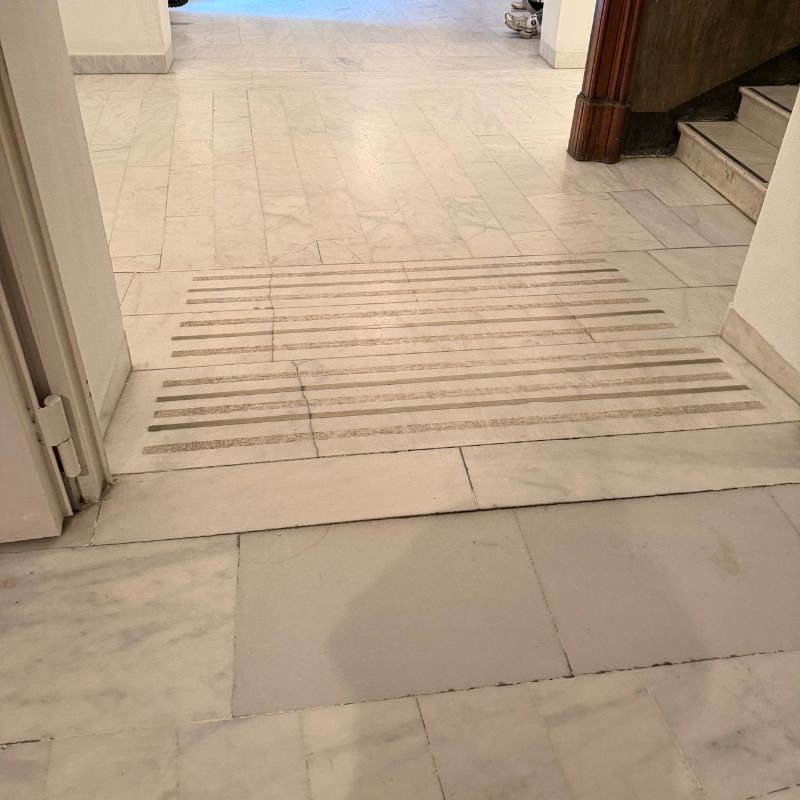
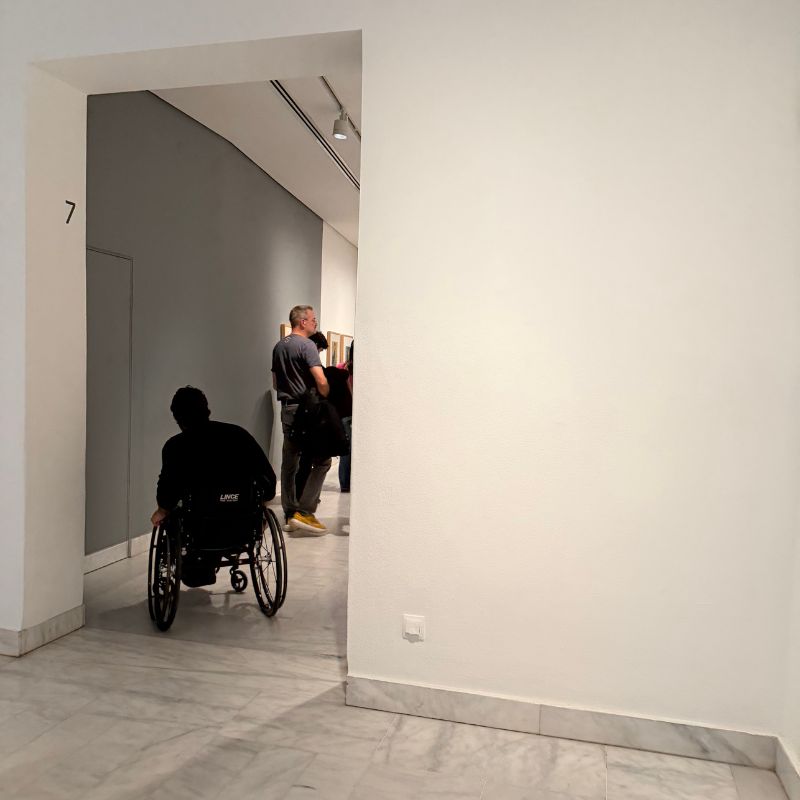
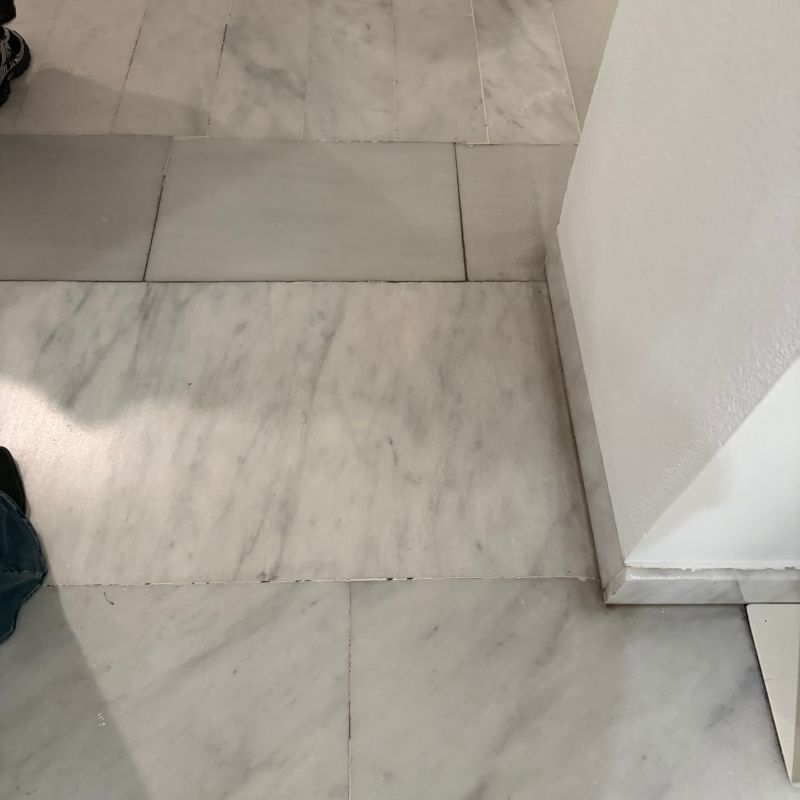
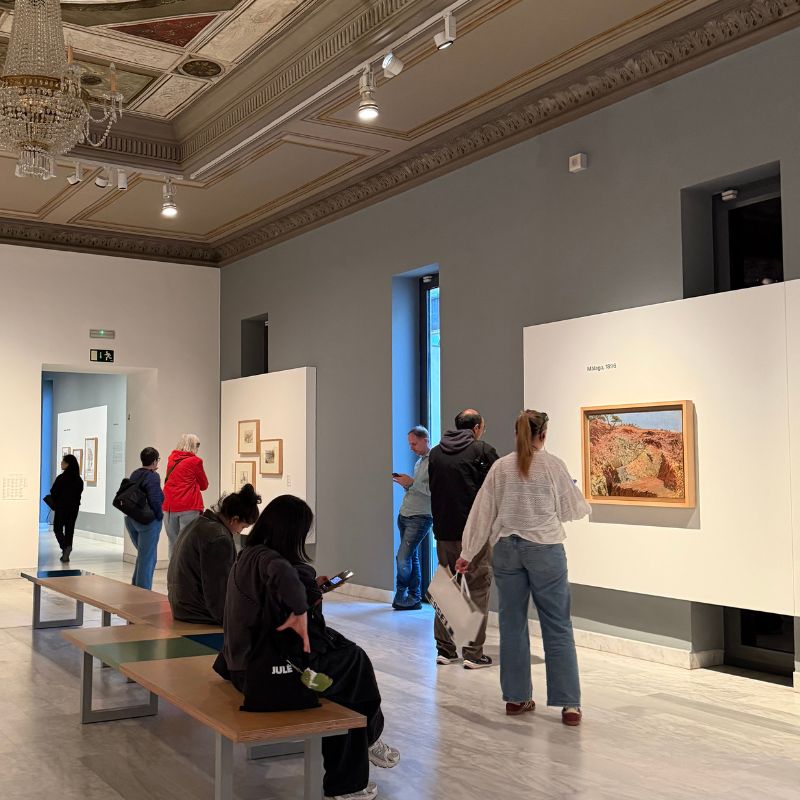
All exhibition rooms can be visited by wheelchair users. The upper exhibition floors can be reached by lift. After leaving the lift, a ramp leads into the exhibition area, providing a smooth transition between the lift and the galleries. The same ramp is used when returning to the lift. Throughout the museum, doorways and corridors are generally wide, providing sufficient space for wheelchair users to move comfortably between the different exhibition rooms.
Accessible Toilets
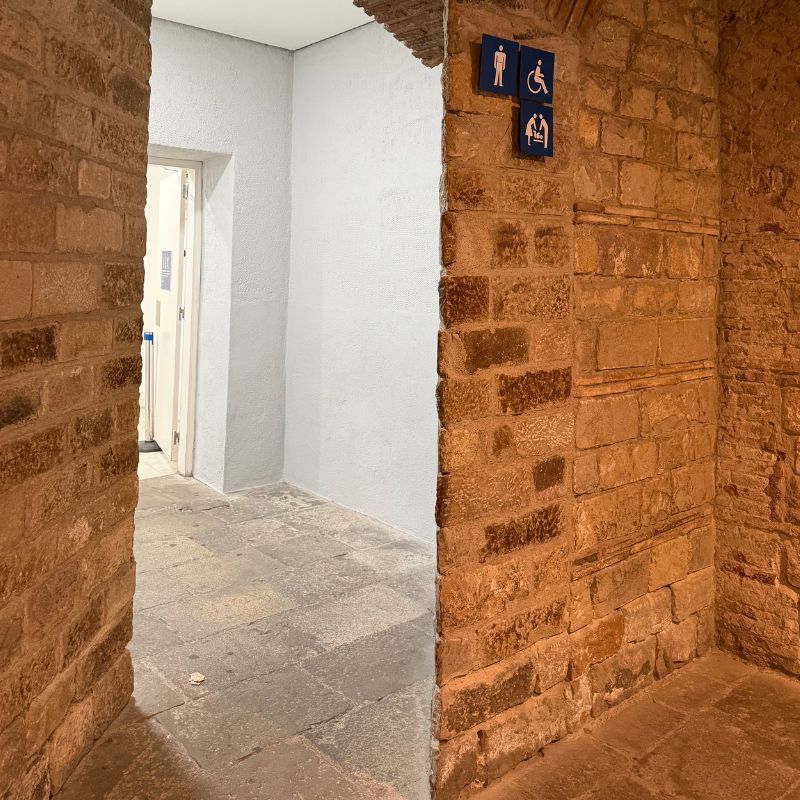
Accessible toilets are available throughout the Picasso Museum for visitors with reduced mobility. They are located along the museum’s accessible visitor route, allowing you to enjoy your visit in comfort.
Please note that you will need to scan your museum ticket to access the toilet facilities. The accessible toilet is compact in size but provides sufficient manoeuvring space for wheelchair users. It is equipped with grab rails and a sink, allowing visitors to use the facilities comfortably and independently whenever possible.
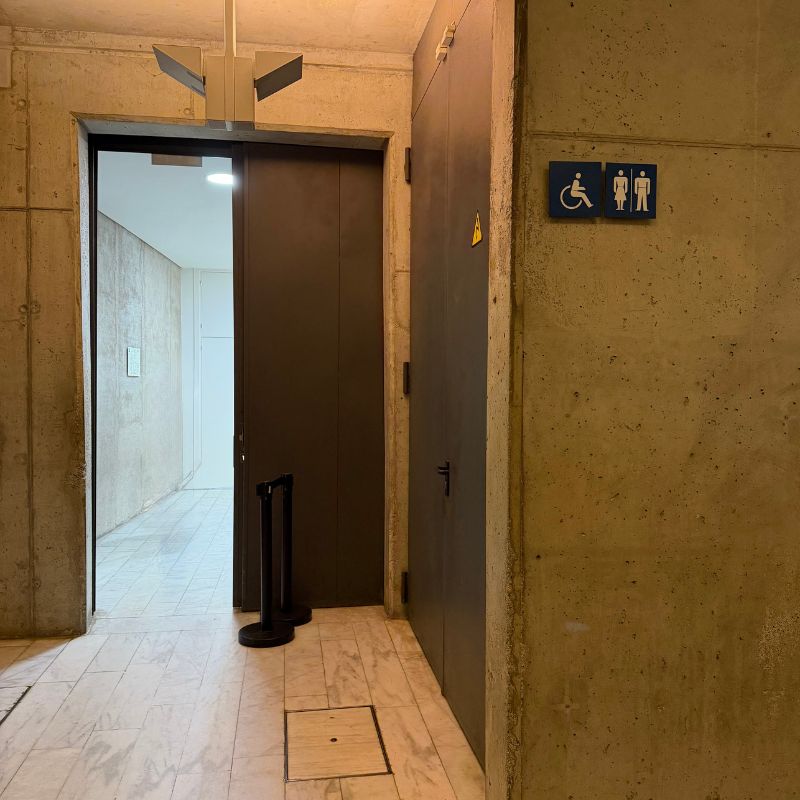
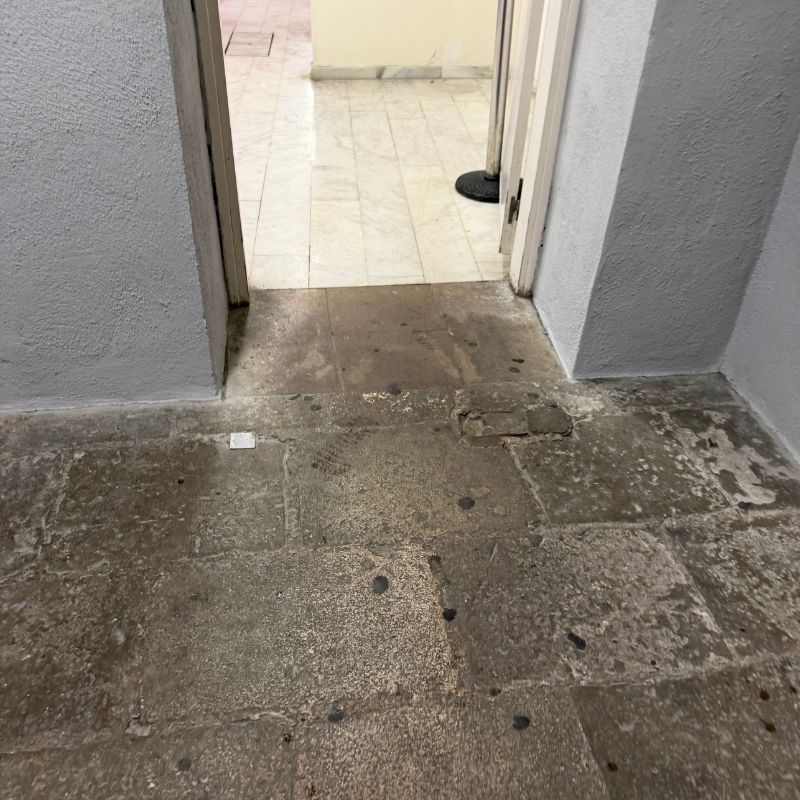
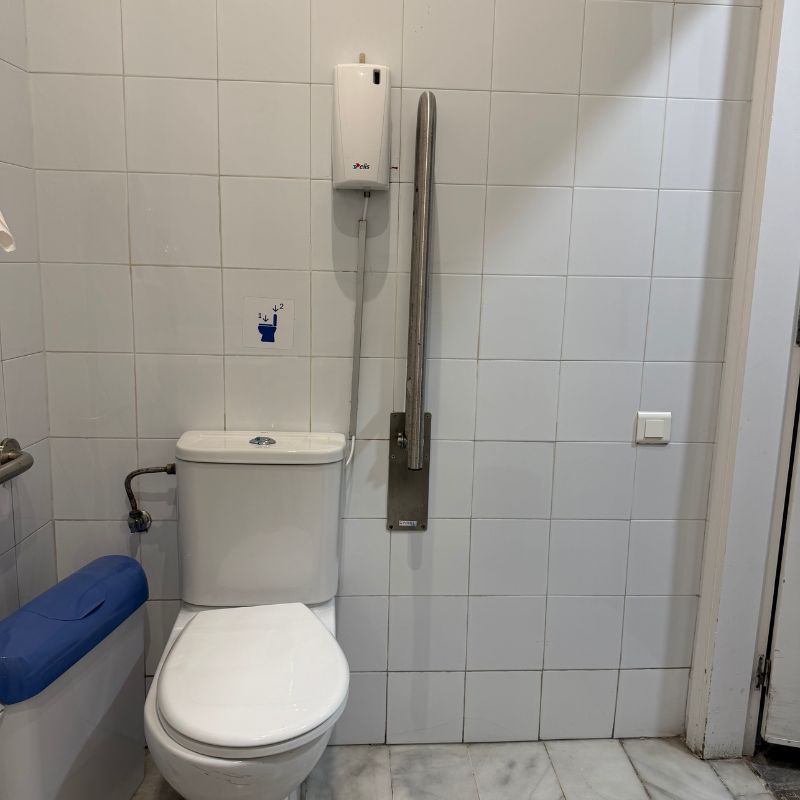
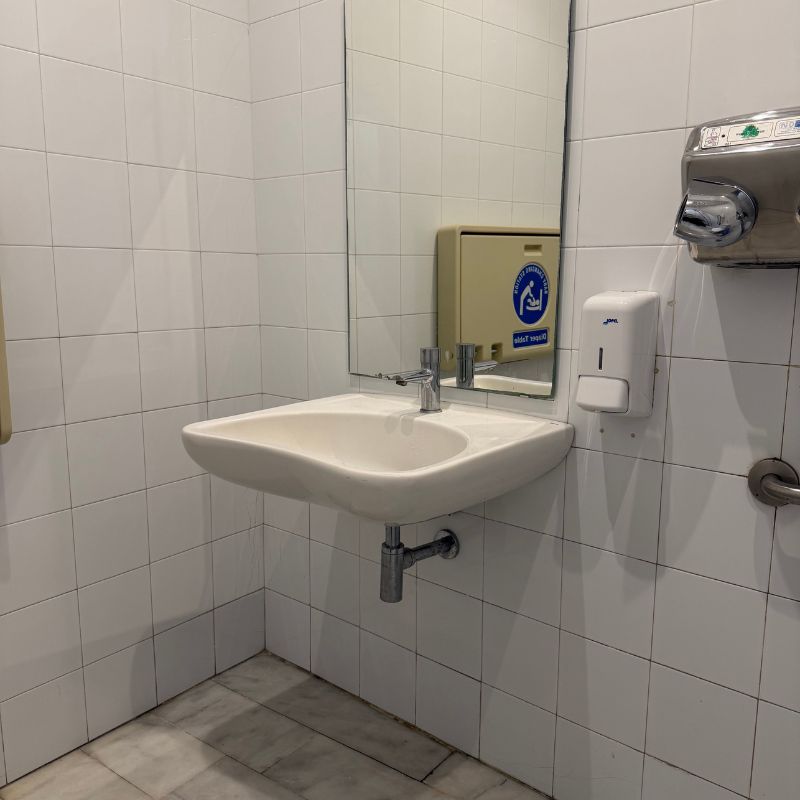
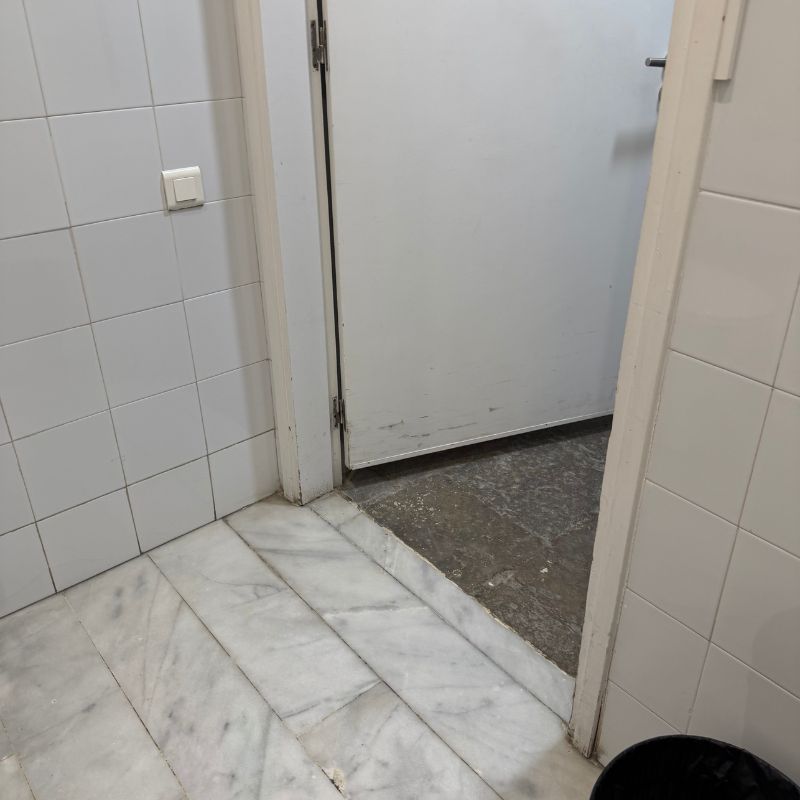
If you are exploring Barcelona over multiple days, accessible toilets can be easy to find with the Accessaloo app. This app helps you find nearby accessible toilets, including information about their facilities and opening hours. Using an app can make it easier to plan your day and travel around the city with greater confidence and convenience.
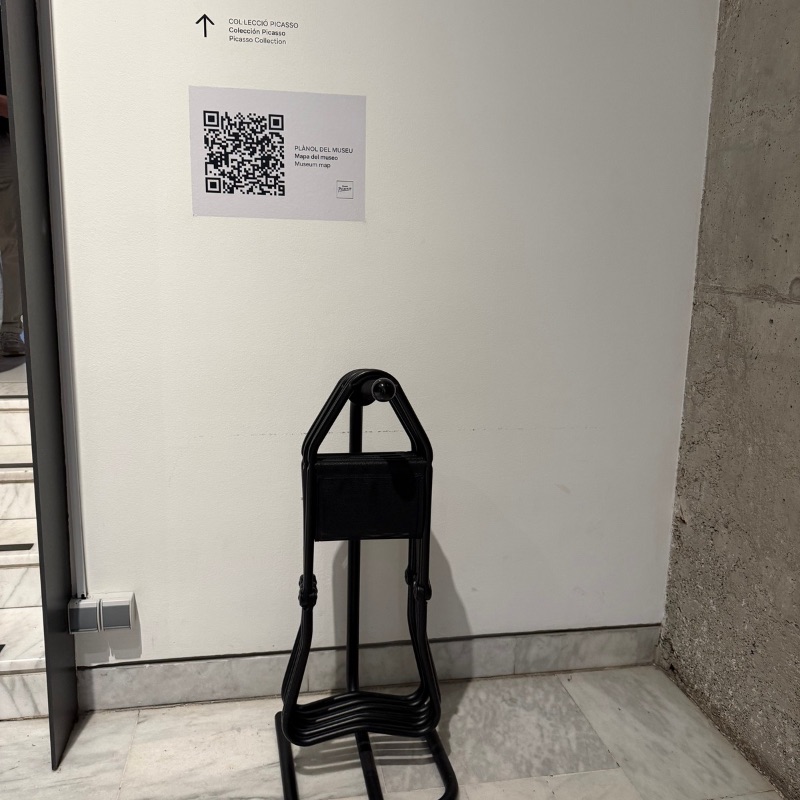
Folding Chairs
For visitors who tire easily or are unable to walk long distances, the museum provides folding chairs that can be used throughout the galleries. They allow you to take a break while continuing your visit through the museum.
Guide Dogs and Assistance Dogs
Guide and assistance dogs are allowed inside the Picasso Museum, including the exhibition rooms. You do not need to show any documents for your assistance dog at the entrance.
Free Entry and Priority Access
The Picasso Museum offers free admission to visitors with a Disability Tag. Make sure to bring your Disability Tag with you to the museum.
What Is a Disability Tag?
A Disability Tag is an official document that proves that a person has a disability. Depending on the country where you live, this may be a disability card, certificate, or another official document issued by a recognised authority.
When travelling, it is strongly recommended to bring your Disability Tag with you when visiting attractions that offer free or reduced admission to disabled visitors. The card should include your full name, date of birth and recognised level of disability. These days, ticket offices can be very strict when checking eligibility, so bringing your Disability Tag is a requirement if you want to receive the free or reduced admission. Make sure to bring the card together with your valid ID or NIE, as you may be asked to show both at the ticket office.
Practical Tips for Visiting the Picasso Museum in a Wheelchair
A little preparation can make your visit to the Picasso Museum more comfortable. Here are some practical tips:
Bring your Disability Tag: If you are entitled to free admission, make sure to bring your Disability Tag with you to the museum. You can visit for free without booking a disability ticket in advance, but booking a time slot online can be useful during busy periods.
Choose a quieter time: Free admission periods can be very busy. Free admission is available on:
- The first Sunday of every month.
- On Thursdays from 4:00 PM to 7:00 PM.
- Free admission is available on 12 February, 17 May and 24 September. If you prefer a quieter visit, visiting outside these periods may be more comfortable. Advance reservation is required.
Ask staff about the lift: The lift can only be operated by museum staff. Let a staff member at the entrance know if you would like to use it, and they will assist you.
Request a wheelchair if needed: Wheelchairs are available free of charge for visitors who require one, subject to availability.
Request a folding chair: Folding chairs are available in the galleries if you need to sit down during your visit. You can ask the visitor services team for one.
Plan your transport: The Picasso Museum is accessible by metro and several bus routes, with accessible options available. We have included the main accessible routes and transport options in this blog, so you can choose the option that works best for you.
Take your time getting to the entrance: The museum is located on Carrer de Montcada, a narrow historic street that can get busy with pedestrians. The street is flat, but arriving earlier can make it easier to reach the entrance.
Explore more nearby: The museum is close to other famous sights in Barcelona, such as the Gothic Quarter and Barcelona Cathedral. Both can be reached from the museum on mostly flat streets, making it easy to combine with your visit.
Buy your ticket through official channels: We recommend buying your ticket through the museum’s official website, ticket offices, or vending machines. Tickets purchased from third parties or resellers are not accepted.
Planning Your Visit to the Picasso Museum
The Picasso Museum offers several accessibility features that can make a visit more comfortable for wheelchair users and visitors with reduced mobility. With lift access, free wheelchair use, adapted toilets, folding chairs, and accessible transport options nearby, the museum is well prepared for visitors with different mobility needs.
As the museum is located in a historic part of Barcelona, planning your route in advance can still be helpful, particularly if you rely on accessible public transport.
Discover More of Accessible Barcelona
Barcelona has many famous highlights to discover, from Gaudí’s iconic architecture to Park Güell and other beautiful places across the city. If you want to explore more of Barcelona, get in touch with us. We can help you find accessible tours and travel options that fit your needs.


Keep reading
You might also like
Wheelchair Accessibility of Hospital de Sant Pau
Visit one of Barcelona’s most extraordinary landmarks, where stunning Modernist architecture meets thoughtful accessibility at every turn. This guide shows how wheelchair…
Park Güell Wheelchair Accessibility Guide
Planning to visit Park Güell in Barcelona with reduced mobility? Discover the accessible entrances, routes, facilities, and mobility tips to explore Gaudí’s…
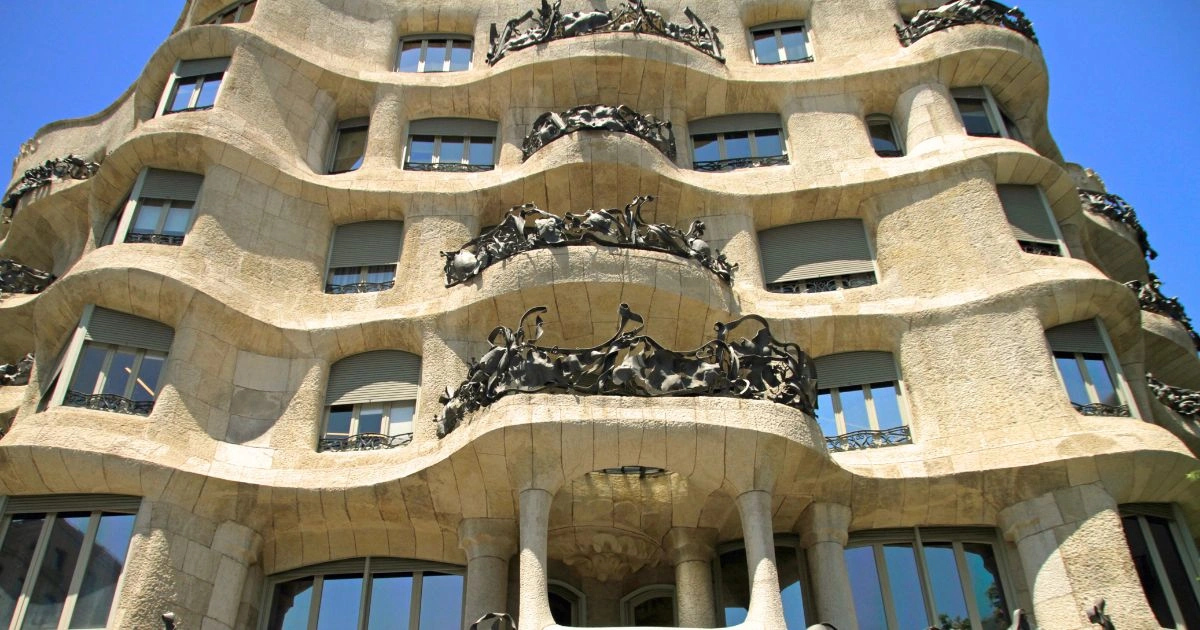
Wheelchair Accessible La Pedrera – Casa Milà
Explore the imaginative world of Gaudí at La Pedrera - Casa Milà, with this accessibility guide to help prepare your visit. Discover…