Highlights of this tour
- Acropolis of Sparta and the ancient theatre
- Temple of Artemis
- The Menelaion and the Evrotas valley views
- Archaeological Museum of Sparta
- Museum of the Olive and Greek Olive Oil
- Tomb of Leonidas
- Byzantine city of Mystras

Sparta is one of the most legendary destinations in all of Greece, and this day trip lets you explore it from Athens. On this full-day wheelchair accessible Sparta tour, you travel back to the land of the ancient Spartan warriors, from the ruins of the acropolis to the Byzantine city of Mystras.
Your driver and private guide meet you at your Athens accommodation or cruise port. Together, you head south in a private adapted vehicle for the roughly 2.5-hour scenic drive to Sparta. Along the way, your guide sets the scene and shares the stories behind the places you are about to see.
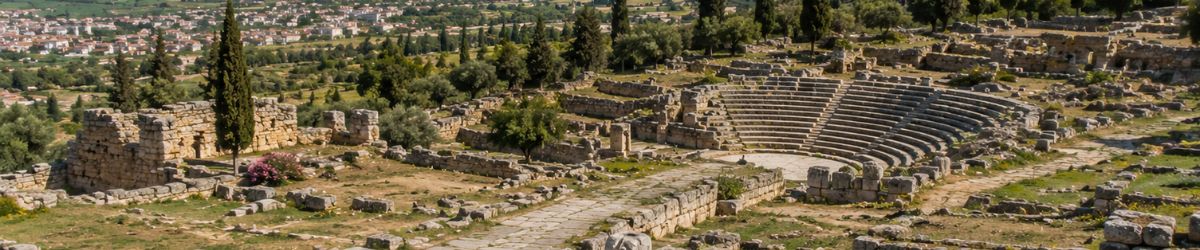
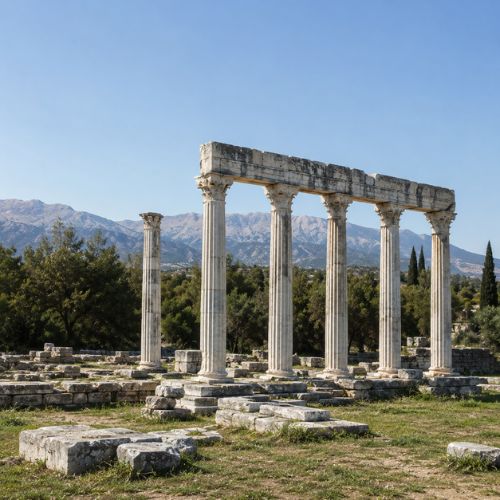
The first stop of the day is the Acropolis of Sparta, which sits on a hillside just outside the town centre. Here you find the ancient Roman Agora, the Temple of Athena Chalkioikos, the theatre, the church of Christ the Saviour, the circular building, and the remains of many other structures. As you take in these ruins, you can still sense traces of Sparta’s former glory.
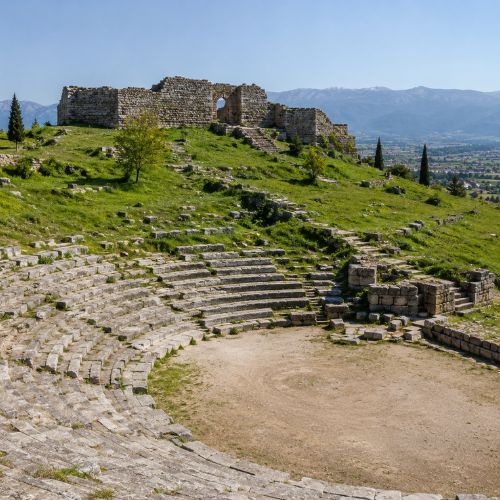
Close by stands the ancient theatre, built into the side of the hill. Two of its walls were once limestone, while the centre and the stage were white marble. During the Byzantine era, builders removed much of the marble from the seats and reused it to build Mystras. Today, only the orchestra, the stage, and a few excavations remain, yet the atmosphere is wonderful, and it is easy to picture the theatre as it once stood.
Accessibility note: terrain at the Acropolis and the ancient Theatre can be uneven and rocky. Your guide will always take the most accessible route.
After the Acropolis of Sparta, you will see the Temple of Artemis at the entrance of the city. This is where, in Spartan tradition, boys became men, proving themselves through hard tests of endurance as part of their training.
Next, you continue to the Menelaion, one of the most astounding places in the region, set in a beautiful landscape. You look out over the ancient Evrotas valley and Sparta, and on a clear day, you can see the majestic peaks of the Taygetos mountains. Two impressive monuments stand here: a Bronze Age palace and a classical or Hellenistic shrine. Both have survived in remarkable condition.
In Sparta, you visit the Archaeological Museum, filled with remarkable artefacts and statues. Inside, you find Roman sculptures, small objects from the sanctuaries of Sparta, mosaics, Laconian reliefs, an inscribed stele from the Temple of Artemis Orthia, and prehistoric collections.
You also visit the Museum of the Olive and Greek Olive Oil. This museum tells the story of olive cultivation and olive oil production since ancient times. You learn about the wide varieties of olives, and you can admire works of art alongside fossilised olive leaves from Santorini that are thousands of years old.
Entrances are to be paid on the day. Reduced entry fees for persons with a disability are available.
One of modern Sparta’s most important monuments is the Tomb of Leonidas, also known as the Leonidion, which lies just north of the modern city. The Tomb dates to the 5th century BC and is made of large porous stones. In 1892, Balthath rebuilt it, first believing it to be a small temple. Its exact purpose is still unknown, yet popular memory links it to the cenotaph of Leonidas. According to the traveller and writer Pausanias, the Spartans brought the bones of their legendary king back from Thermopylae and buried him here, after the battle against the Persians. Want to visit the grounds of the iconic Thermopylae? Check out our Thermopylae tour!
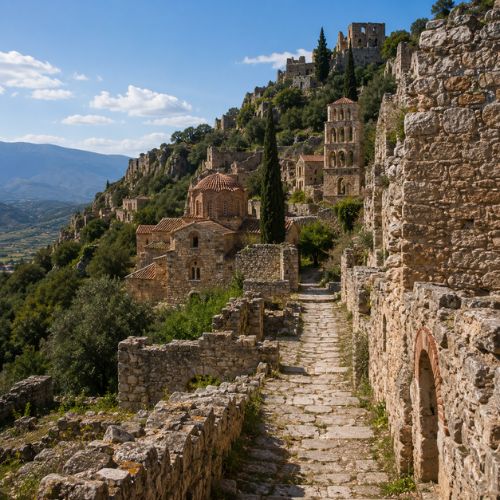
Your final stop is Mystras, just seven kilometres from Sparta. Once the capital of the Despotate of Morea and the second city of the Byzantine Empire, it is a unique site for anyone drawn to the meeting of art, history, religion, and culture. The atmosphere here is mystical, with Byzantine ruins all around. Its churches still stand in good shape. A monastery on the site remains in use, and the (st)roll through Mystras gives you a picture of the city as it once was.
At the end of the day, your driver and guide take you back to Athens, with drop-off at your accommodation or cruise port. In total, the tour lasts about nine hours, with time set aside for lunch, a snack, or a coffee along the way.

Discover Paris’s four most iconic highlights, from the Eiffel Tower to the Palace of Versailles, and find out how accessible they are for wheelchair and scooter users.

Discover Madeira and Ponta Delgada, two of Portugal’s most beautiful islands, offering volcanic lakes, ocean views, and wheelchair accessible travel experiences.
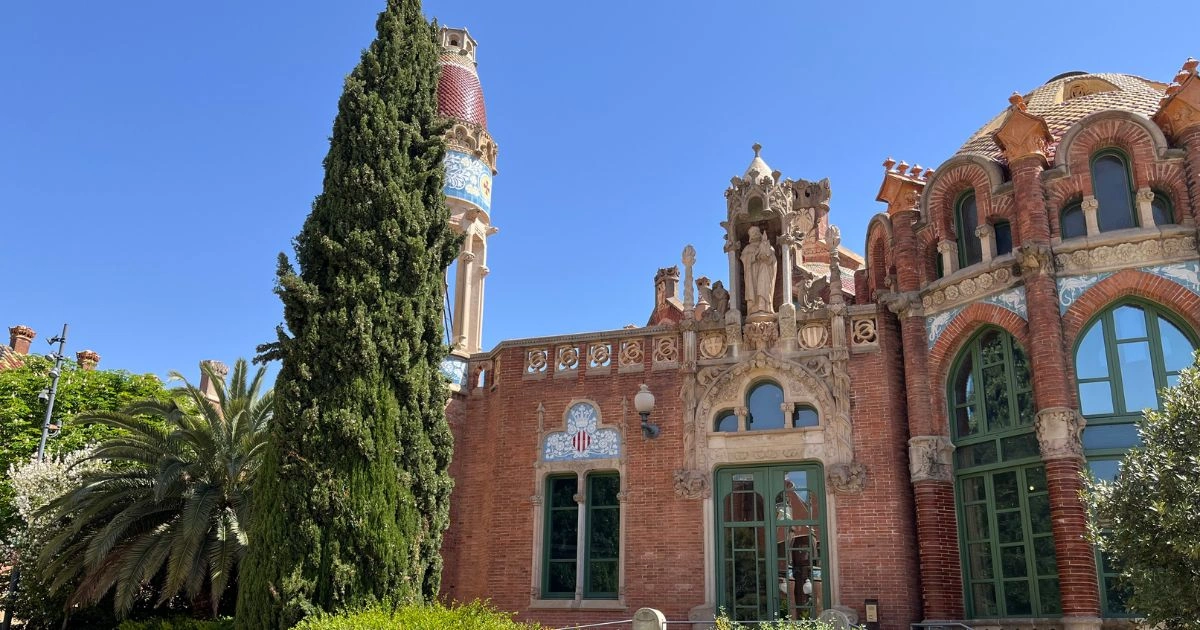
Visit one of Barcelona’s most extraordinary landmarks, where stunning Modernist architecture meets thoughtful accessibility at every turn. This guide shows how wheelchair users can comfortably explore Hospital de Sant Pau while discovering its rich history and unique design.

Discover how wheelchair accessible Croatia’s top coastal cities really are. Compare Dubrovnik, Split, and Zadar to find the easiest and most enjoyable destination for your trip.
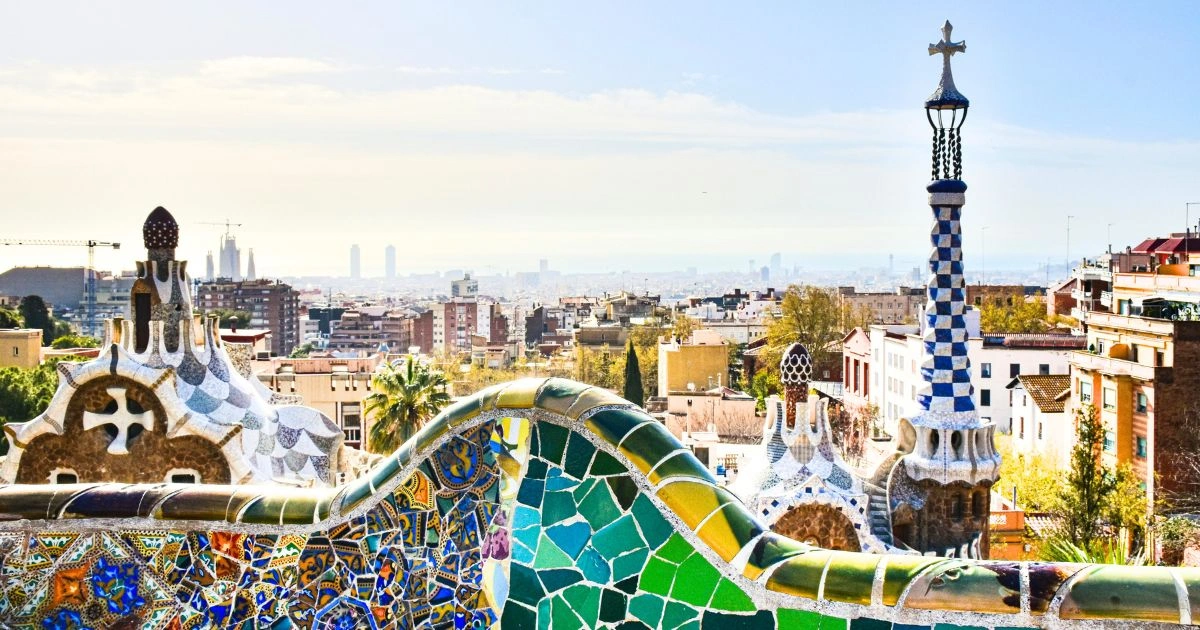
Planning to visit Park Güell in Barcelona with reduced mobility? Discover the accessible entrances, routes, facilities, and mobility tips to explore Gaudí’s iconic park.
Carla R. - June 2019
Rome Shore Excursions
“We had a great trip!!! Every excursion was great, but the day in Rome was the best!! […]” Read more

Liz H. June 2019
Cork, Dover, Le Havre, Zeebrugge
“…I am traveling with a group of handicapped people and taken some of their tours, but yours are MUCH better…” Read more
Jo N. June 2019
St Petersburg and Tallinn - Tours and Transfers
“We have just returned from a Baltic cruise with port tours organized via Mirjam in St Petersburg and Tallinn…” Read more