

Visiting the Blue Mosque: A Wheelchair Accessibility Overview

The Blue Mosque is a place where cultural significance and visitor access come together, making it a popular stop for travelers exploring Istanbul. This blog focuses on what wheelchair users can expect when visiting the mosque, from transportation and entrances to interior access and facilities to ensure a smooth and respectful experience.
The Blue Mosque
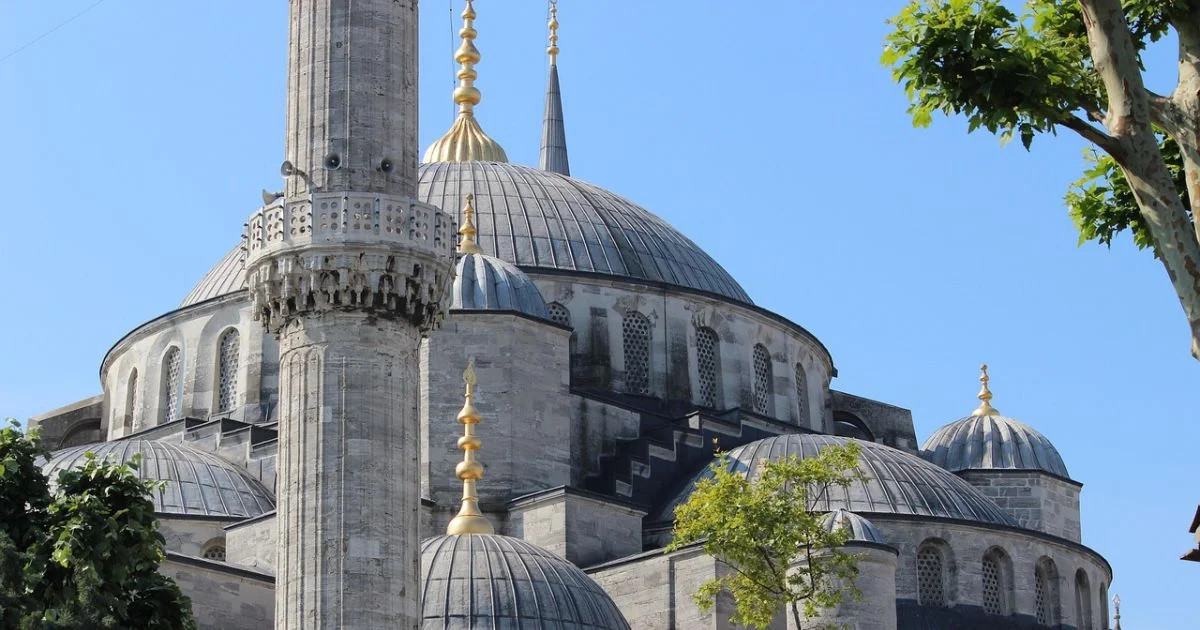
The Blue Mosque, also known as the Sultan Ahmed Mosque, is one of the must-see sights in Istanbul. Built in the early 1600s during the reign of Sultan Ahmed I, the mosque was designed to impress, with layered domes, six tall minarets, and an interior covered in thousands of blue Iznik tiles that give the building its famous name.
Located directly opposite the Hagia Sophia, it remains an active place of worship while also welcoming visitors from around the world. Thanks to its open layout and dedicated facilities, the Blue Mosque is often included in wheelchair accessible travel itineraries in Istanbul.
How to Reach the Blue Mosque
The Blue Mosque is located in the Sultanahmet district, one of the most visited areas of Istanbul. The area is lively and often crowded, especially during peak tourist hours.
If you wish to take public transport, the easiest way to reach the Blue Mosque is by taking the T1 tram line and getting off at Sultanahmet station. This tram line uses low-floor trams and offers ramped and elevator access at stations. The route from the tram stop to the mosque is mostly flat, with some cobblestones along the sidewalks. While generally manageable, these may cause vibrations when using a wheelchair.
Taxis and private vehicles can drop passengers close to the mosque on Atmeydanı Street, near the northwest side of the building. A wheelchair-accessible private tour could be a comfortable alternative, providing an adapted vehicle, door-to-door transport, and the freedom to move at a pace that best suits individual mobility requirements.
Is the Blue Mosque wheelchair accessible?
Yes, wheelchair access at the Blue Mosque is possible, and most of the site can be visited step-free. You can also ask mosque staff to assist you, should you need help with directions, with certain barriers or if you have questions.
To protect the hand-woven prayer carpets inside the main prayer area, outside wheelchairs and mobility scooters are not allowed. It is very important to note that you must be able to transfer to a manual wheelchair provided by the mosque, which you can use free of charge. You may also be asked to remove your shoes, just like all other visitors.
Wheelchair Accessible Entrance
Visitors using wheelchairs or mobility scooters can use the ramped entrance on the northwest side of the mosque, facing the Hippodrome and obelisks. This entrance is step-free, separate from the main tourist queue, and generally calmer. After the ramp, there is a marble door frame, which can be slippery, and some may require assistance to cross. Mosque staff are usually present and happy to help if needed.
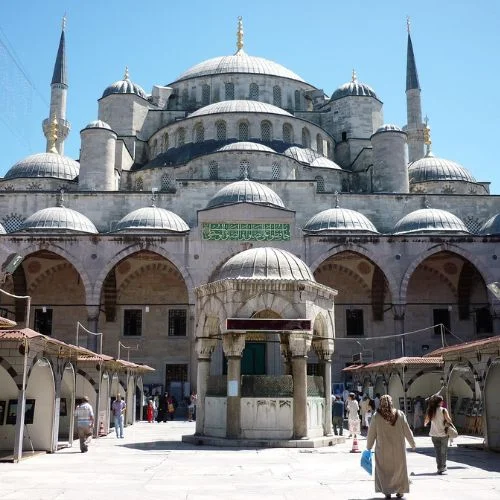
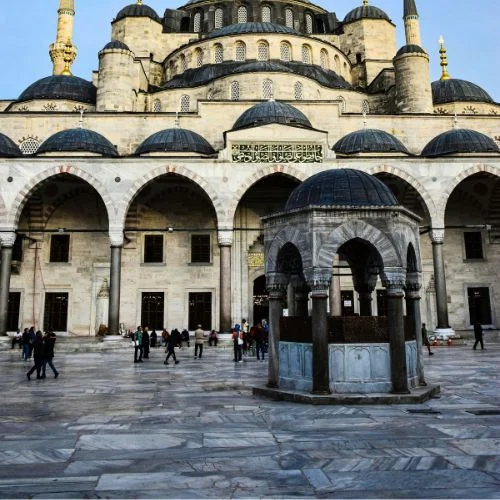
Once inside the courtyard, you find a wide, open, and mostly flat space. The marble flooring allows for smooth movement, although small level differences between slabs may occur. From here, you can explore:
- The central ablution fountain (şadırvan)
- The surrounding porticos
- Architectural details of the mosque exterior
This courtyard is a spacious area and a great place to take in the atmosphere before entering the main prayer hall.
Accessibility Inside the Prayer Hall of Blue Mosque
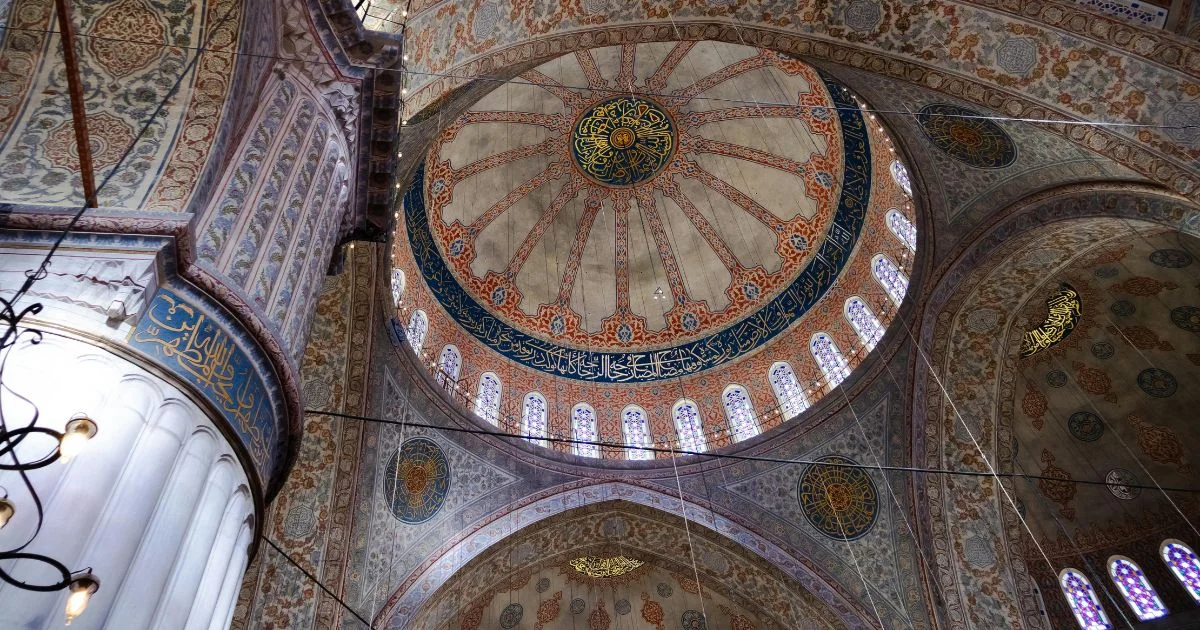
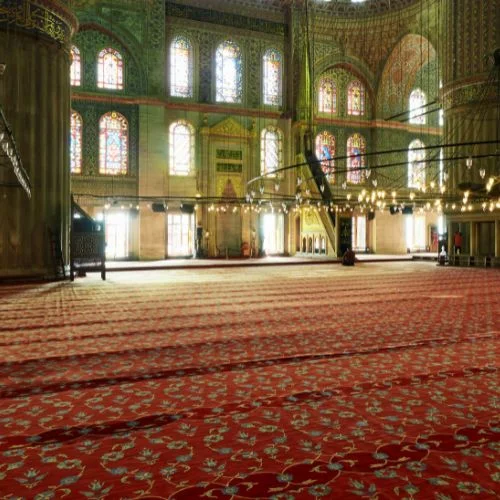
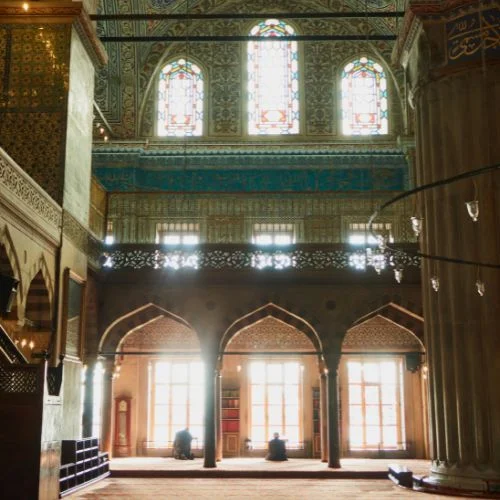
Once inside, most of the visitor area is wheelchair accessible. A wooden barrier separates the visitors’ area from worshippers to maintain a respectful environment. You can comfortably view the famous blue Iznik tiles, massive “elephant foot” pillars, the central dome and semi-domes, and the decorative calligraphy and stained-glass windows
Accessible Restrooms
Accessible toilets are available within the Sultanahmet Mosque complex, but they are not inside the main prayer hall area. Instead, you can find toilets in the outer courtyard or the surrounding facilities. Mosque personnel or the information desk can usually direct you to the nearest accessible toilet.
You can also use the Accessaloo App, which shows accessible toilets along with user reviews and practical details. You can also share your own experience or add a new accessible toilet if you come across one.
Tickets and Access Regulations
You do not need to buy tickets to enter the mosque, as it is free for everyone to visit. However, do be aware that the Blue Mosque is closed to visitors during daily prayer times, which change slightly each day.
To help you plan your visit smoothly and make the most of your time, keep the following tips in mind:
- Make sure to check the current prayer times before your visit.
- To avoid large crowds, choose to visit during early mornings or later evenings.
- If you prefer milder weather, plan your visit in spring or autumn rather than in summer or winter.
Companions are welcome to use the accessible entrance together with wheelchair users and assist during transfers and movement inside the mosque. Mosque staff are said to be helpful and respectful, so if you wish you can ask them for assistance with ramps, transfers, or directions.
Planning Ahead
When planning a trip you should keep in mind to visit outside prayer times, consider avoiding busy periods, and be prepared for a wheelchair transfer on-site, as you cannot enter the main prayer area with a personal mobility aid.
The Blue Mosque is one of Istanbul’s most famous sights. With its striking architecture and calm atmosphere it is definitely a worthwhile stop.
Ready to Plan Your Trip?
Contact us to start planning your wheelchair accessible trip to Istanbul!


Keep reading
You might also like

Wheelchair Accessibility of Topkapi Palace, Istanbul
Prepare for your visit to Topkapi Palace in Istanbul with this accessibility guide. You will find information on how to reach the…
Accessible Istanbul City Attractions
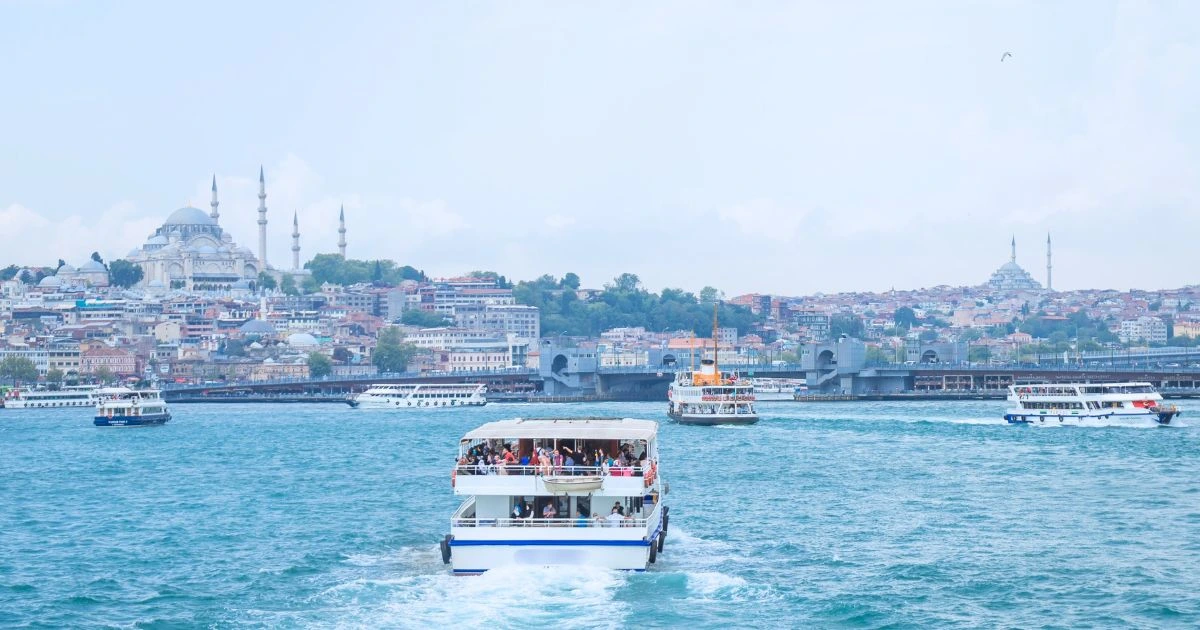
From iconic landmarks to hidden corners of the historic center, discover how to navigate Istanbul and what to expect at each stop.…
Accessibility Hagia Sophia
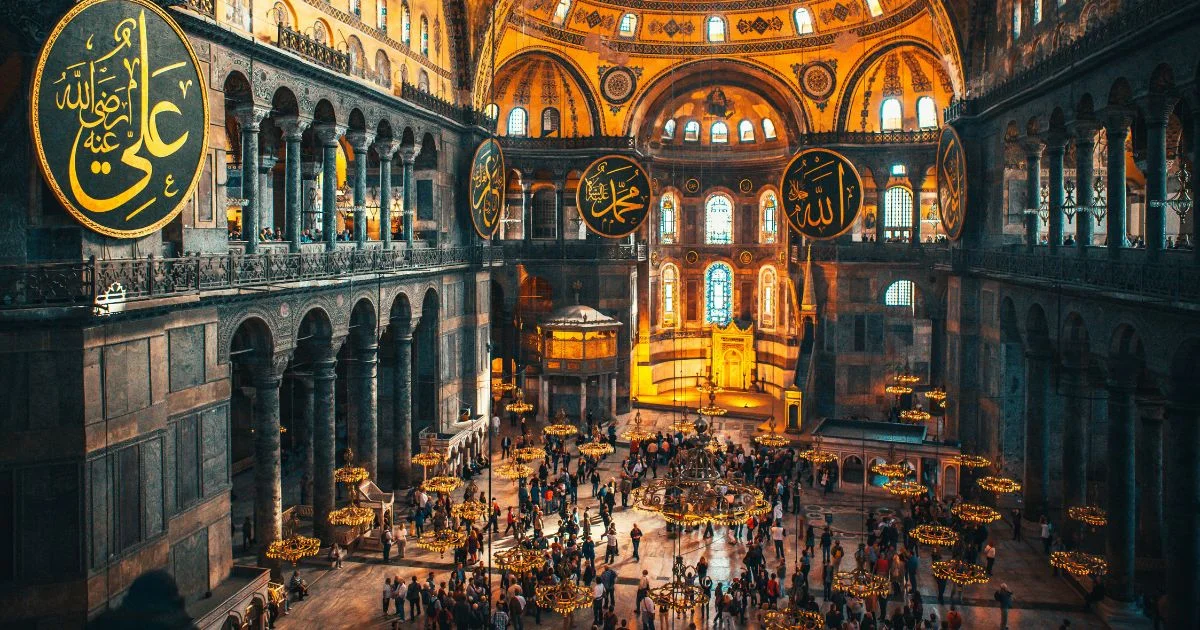
Are you planning to visit Hagia Sophia in Istanbul? This guide provides you with practical information about wheelchair accessibility, including details about…